ASA at the EU–Armenia Cultural Dialogue
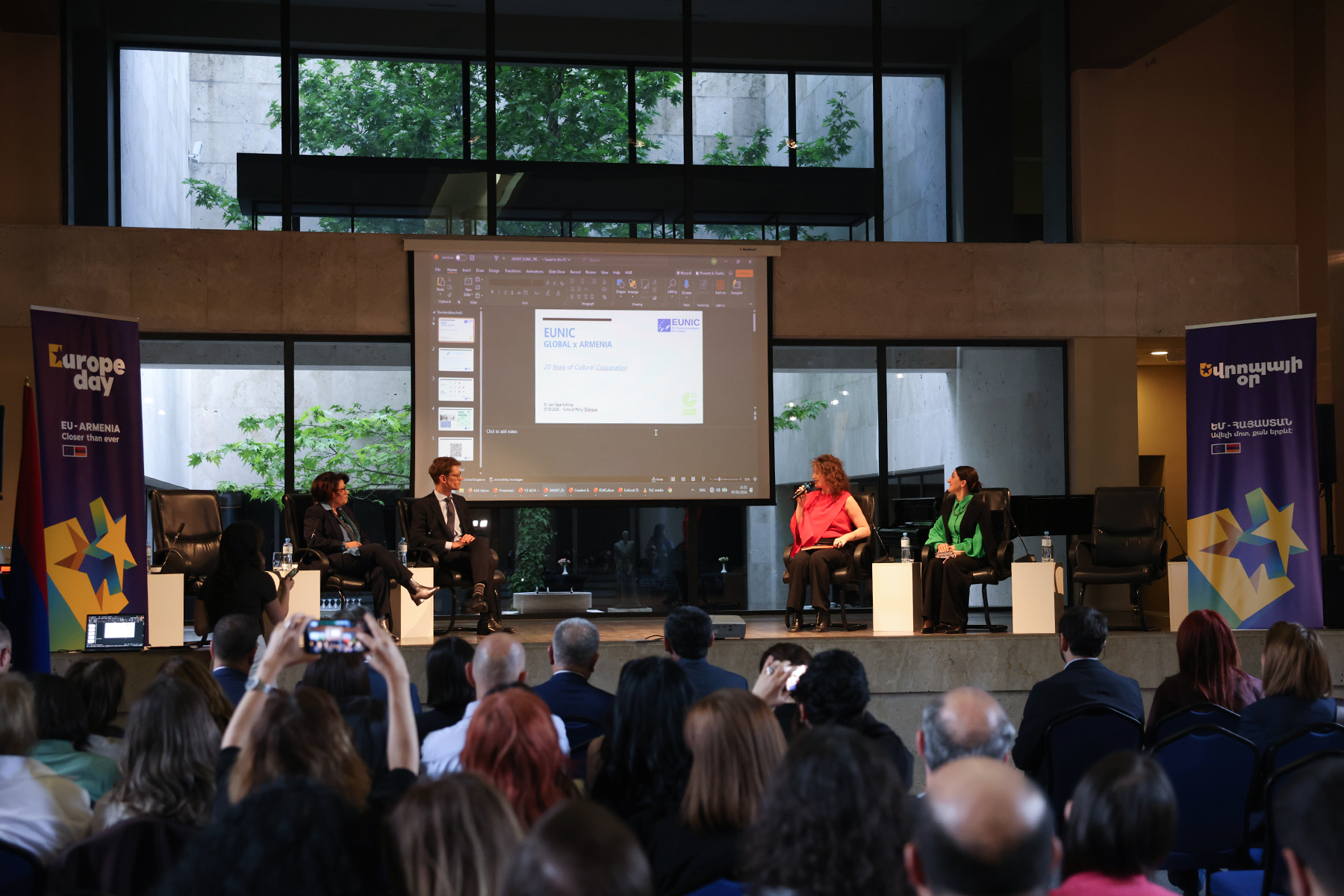
On May 7, the second meeting of the EU-Armenia Cultural Dialogue took place, convening key institutional and sectoral stakeholders to discuss the potential development of Armenia’s cultural and creative industries, their strategic advancement and alignment for deeper cooperation within the European framework.
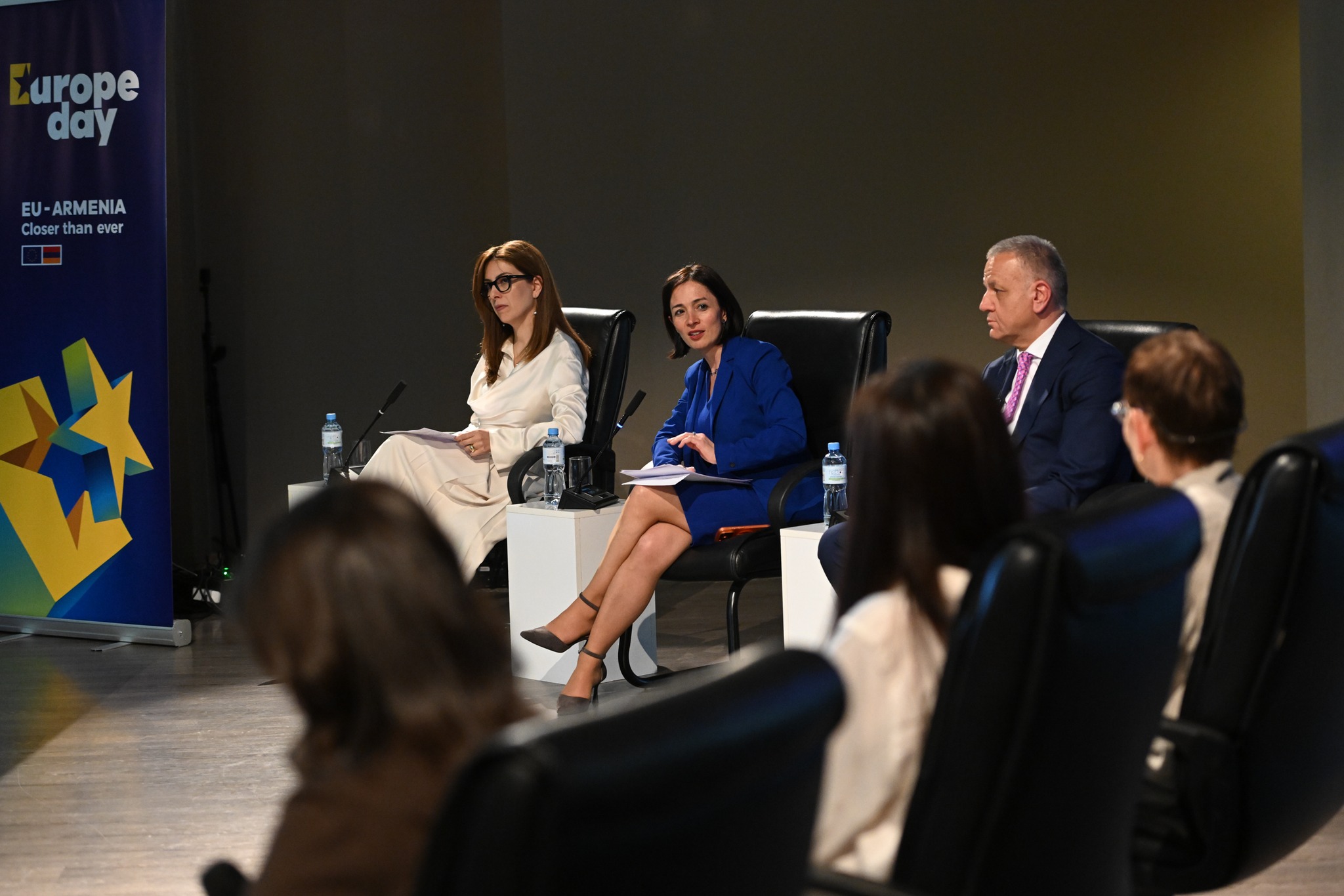
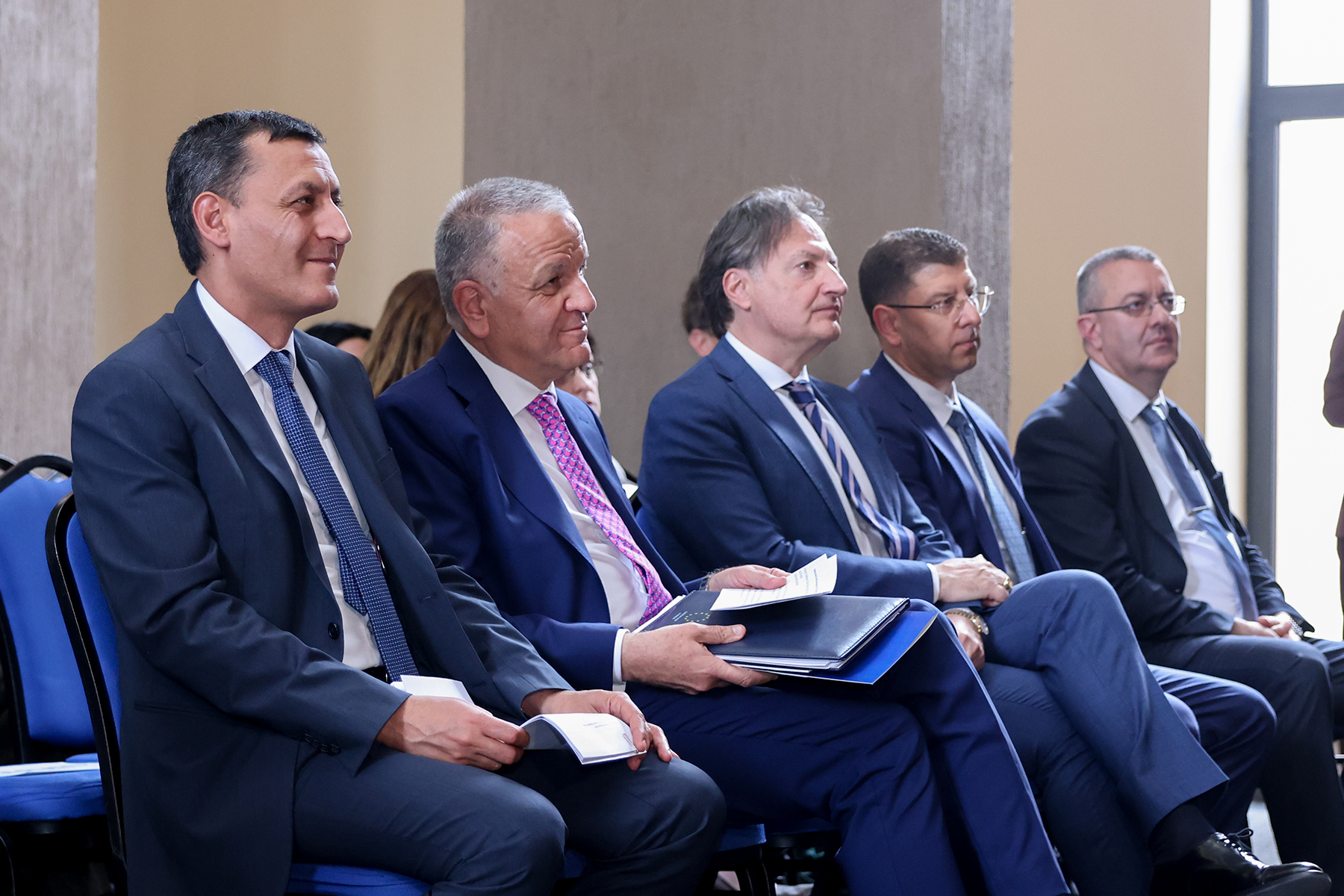
The meeting brought together the Minister of Education, Science, Culture and Sport of Armenia, Zhanna Andreasyan, Deputy Minister Arthur Martirosyan, the Head of the EU Delegation to Armenia Vassilis Maragos, Head of the Tourism Committee of Armenia Lusine Gevorgyan, as well as Creative Europe Desk Armenia, EU4Culture, EUNIC Cluster in Armenia, TUMO Centre for Creative technologies, and Advocacy Society for the Arts (ASA).
Discussions underscored that cultural cooperation between Armenia and the European Union extends beyond the exchange of cultural practices, constituting a broader strategic dialogue grounded in shared democratic values, cultural diversity, and a common vision for sustainable creative development.
Minister Zhanna Andreasyan stated that Armenia’s cultural sector holds significant potential to serve as a driver of public development, emphasising that cultural production does not merely reflect society but actively contributes to its creative advancement. She further noted the importance of establishing appropriate policy incentives to support this potential.
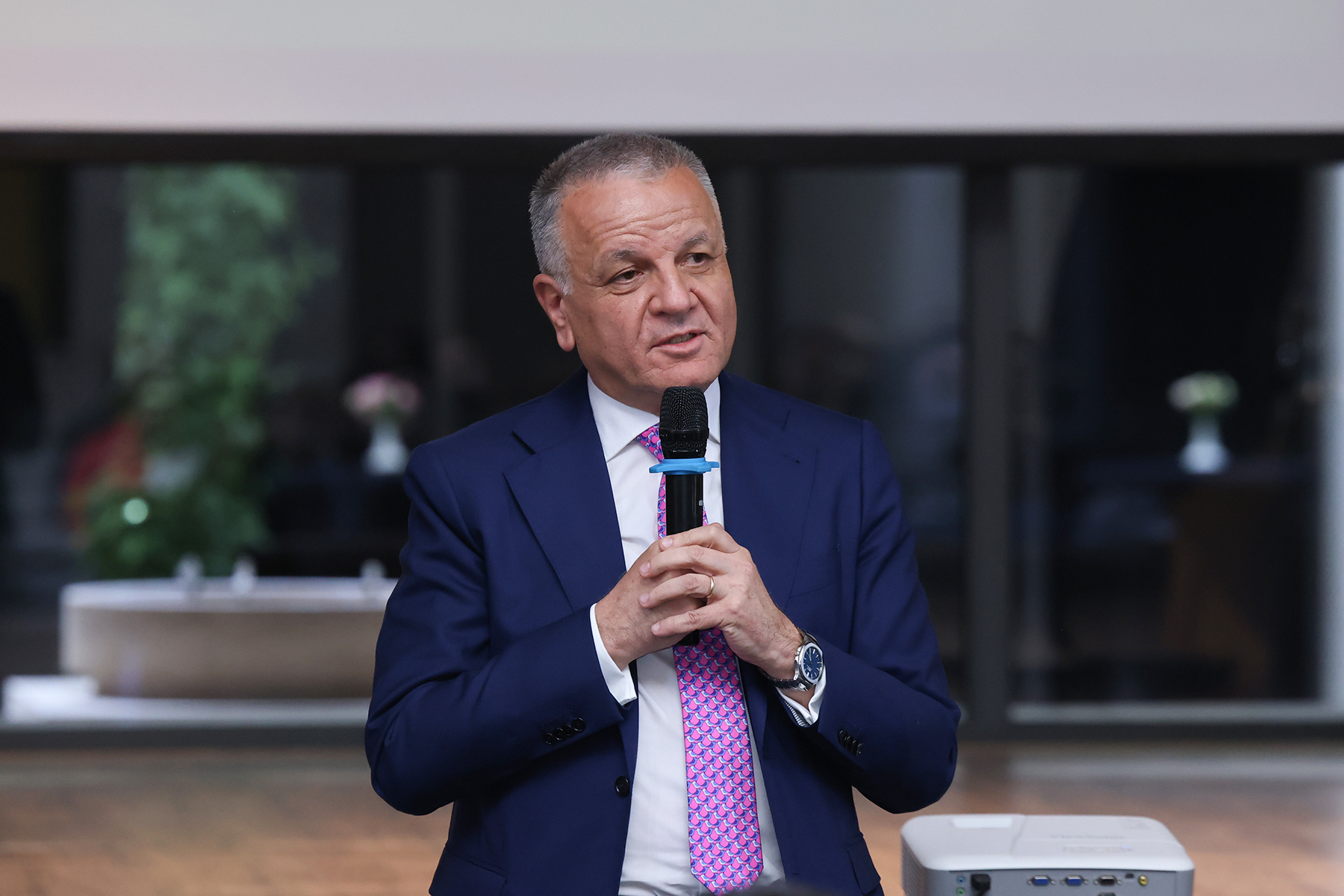
Vassilis Maragos, Head of the EU Delegation to Armenia, remarked that cultural dialogue between the European Union and Armenia extends beyond the exchange of traditions. He emphasised that it reflects shared values, including freedom, democracy, inclusivity, diversity, and innovation, as well as the conviction that culture should be considered by other industries and define its intersectorial integration.
Within the context of the previous dialogue, ASA was introduced as an emerging initiative originating from the EU-funded “Katapult” programme. One year on, the initiative was presented by ASA Director Seda Grigoryan as a structured platform with established programmes, strategic partnerships, and growing institutional capacity.
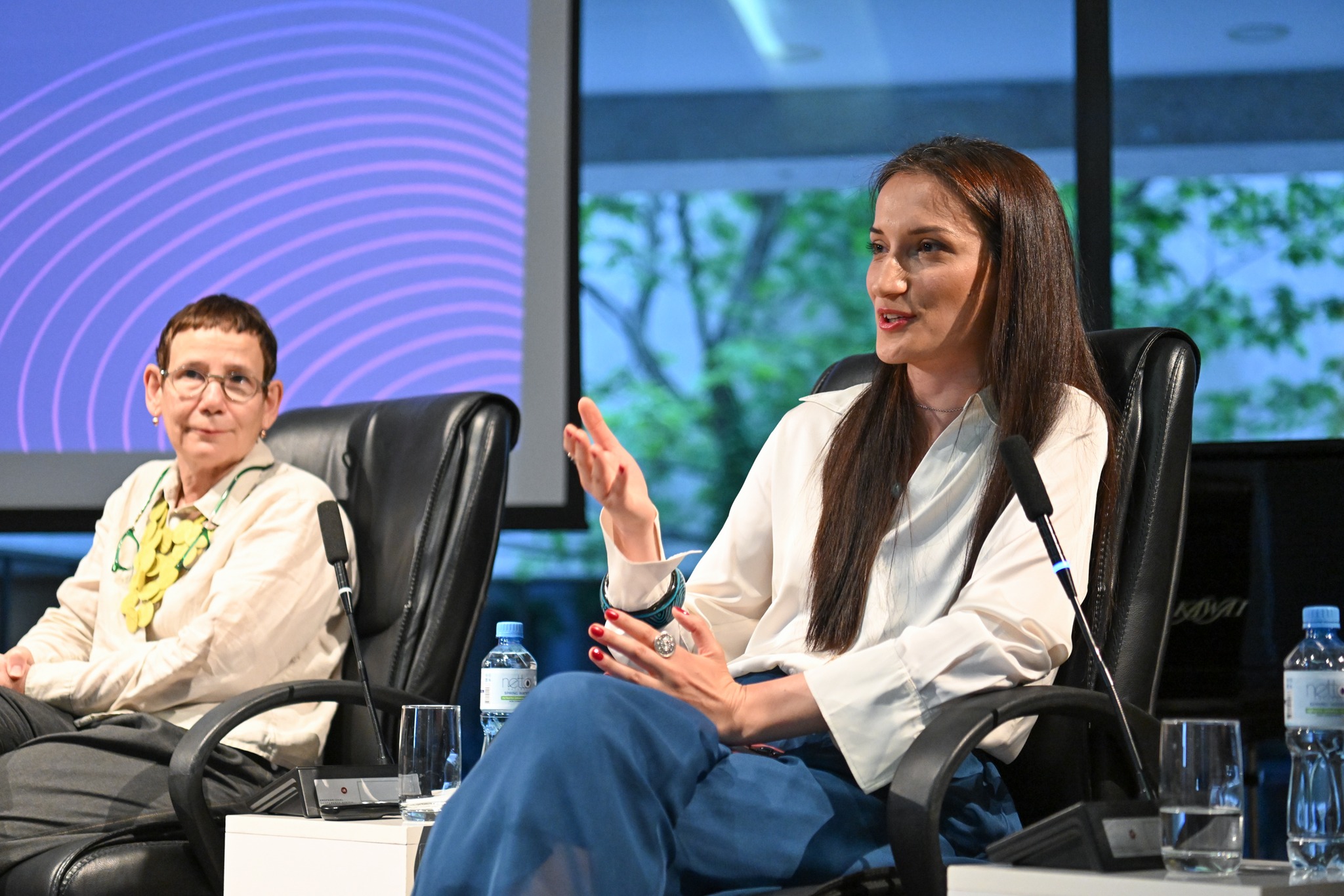
Particular emphasis was placed on cooperation within the Armenia–EU cultural framework, including collaboration with the Swedish Arts Grants Committee through the “ArtNexus” programme, which continues to support the consolidation and internationalisation of ASA’s activities.
Seda Grigoryan highlighted key outcomes of the recent ASA Forum, particularly the central panel discussion on decentralization, which continues through ASA’s ongoing “Cultural Consumption in Armenia” research initiative aimed at advancing evidence-based cultural policy, alongside expert-led programmes supporting creative practitioners.
Over the past year, ASA has further strengthened its institutional framework through the signing of a Memorandum of Understanding with the Ministry of Education, Science, Culture and Sport of Armenia. This partnership enables more direct engagement in policy-making processes and supports the integration of digital tools to enhance sectoral cooperation.
ASA’s expert community—bringing together specialists in cultural policy, research, law, education, and the creative industries—contributes to the implementation of research projects and ongoing capacity-building programmes for the creative sector. This network serves as a core advisory and knowledge base, providing strategic guidance, policy support, advocacy, and fostering collaborative research initiatives across the wider ASA ecosystem.
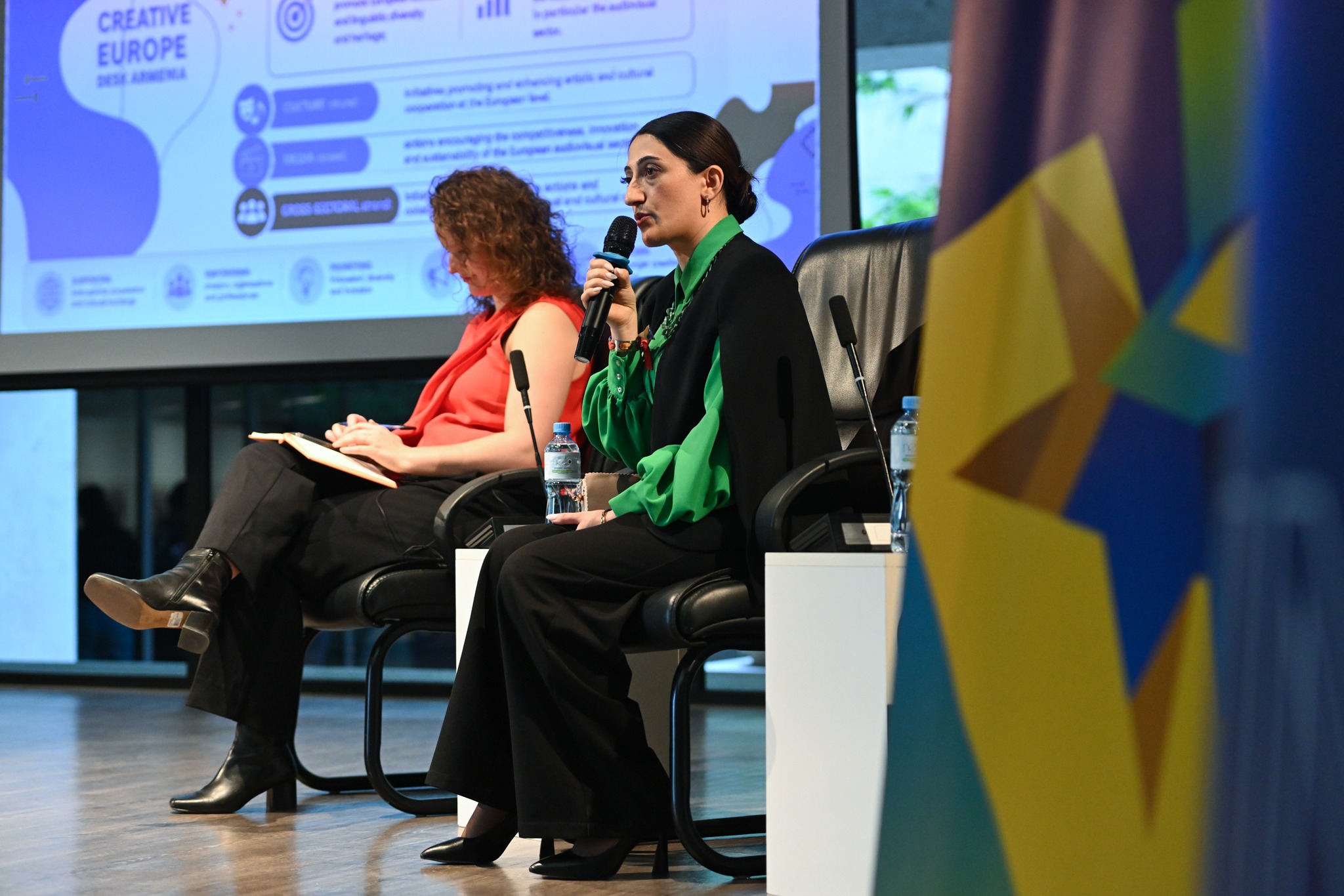
The EU–Armenia Cultural Dialogue also explored key programmes and initiatives driving positive change and fostering European cooperation within Armenia’s CCI sector. In this context, Ani Hovsepyan, Head of the Creative Europe Desk in Armenia, presented the outcomes of the country’s recent participation in the programme.
EU4Culture National Coordinator Marine Karoyan outlined the results of the programme’s first round, which introduced conceptual shifts and innovation, and shared plans for the upcoming second round to be implemented by Goethe Institute Armenia in the Gegharkunik and Syunik regions. Jan-Thahe Kuhling, President of the EUNIC Cluster Armenia, spoke on behalf of it’s member organisations, highlighting their ongoing collaboration with local creative actors in capacity building and the development of new models of cultural support.
Marie Lou Papazian, Director of the TUMO Centre for Creative Technologies, presented recent initiatives at TUMO Studios that provide resources for creative professionals, as well as their 3D scanning programme, which contributes to the digital preservation of Armenian cultural heritage through the involvement of both experts and TUMO students.
Looking ahead, Annet Kragt, Programme Manager at the EU Delegation to Armenia and co-host of the event, introduced the upcoming Agora EU Programme, expected to launch in 2028. The programme aims to support culture, media, journalism, and creative industries, alongside initiatives related to democracy and civil society across Europe. Its broader goal is to strengthen cultural life and democratic resilience, particularly in response to challenges such as disinformation, political polarisation, and the growing influence of large digital platforms.
|
|
|
|
|
|
Photographs: Ministry of Education, Science, Culture and Sport of the Republic of Armenia