ASA Holds First General Assembly: New Chapter for Collective Governance
November 19, 2025
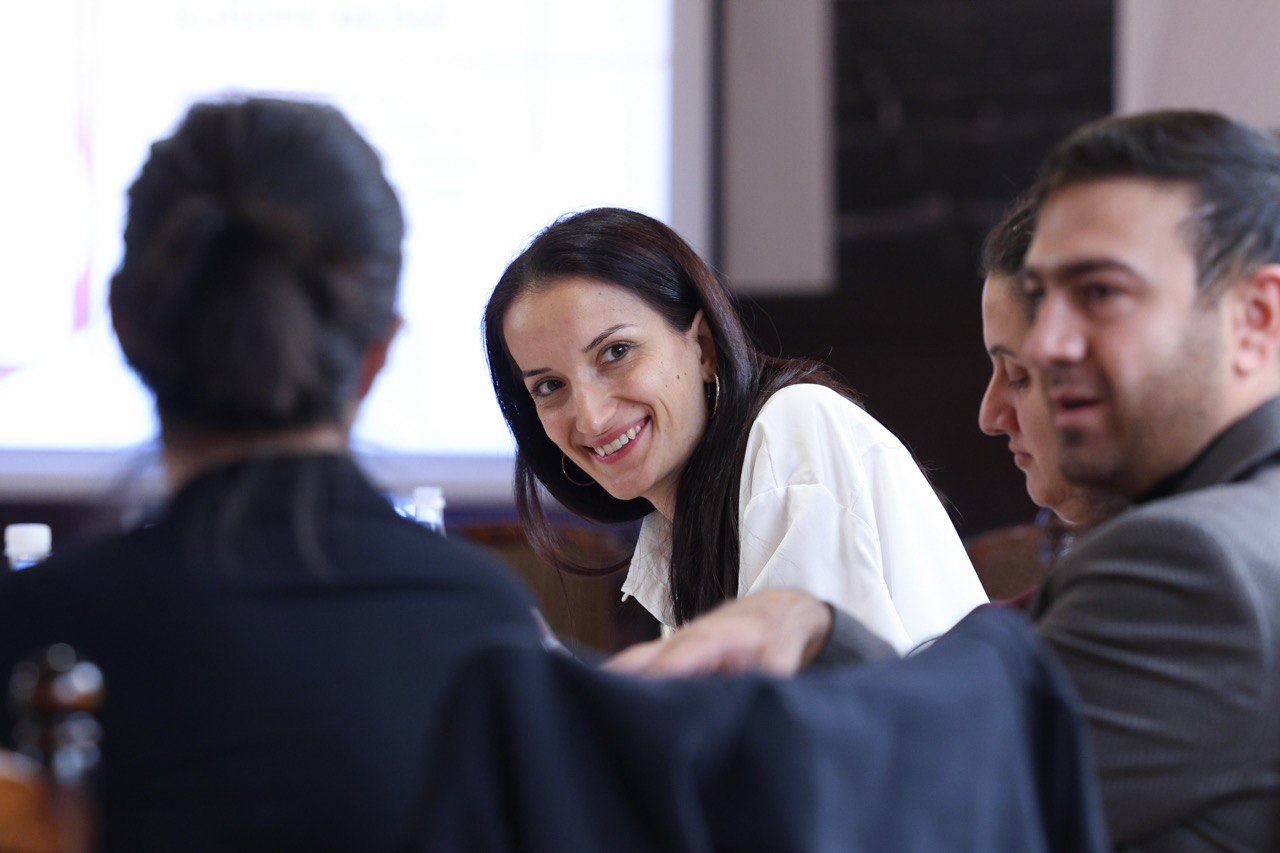
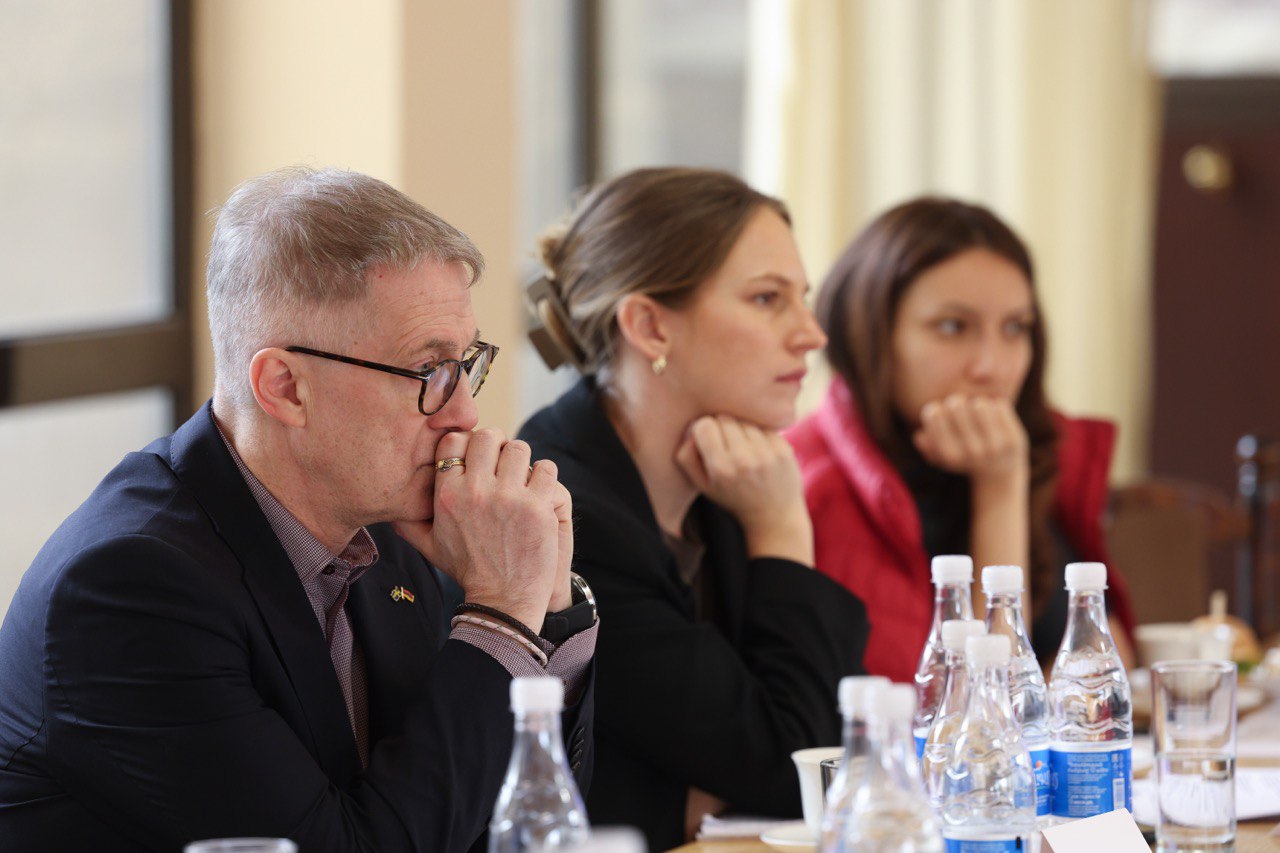
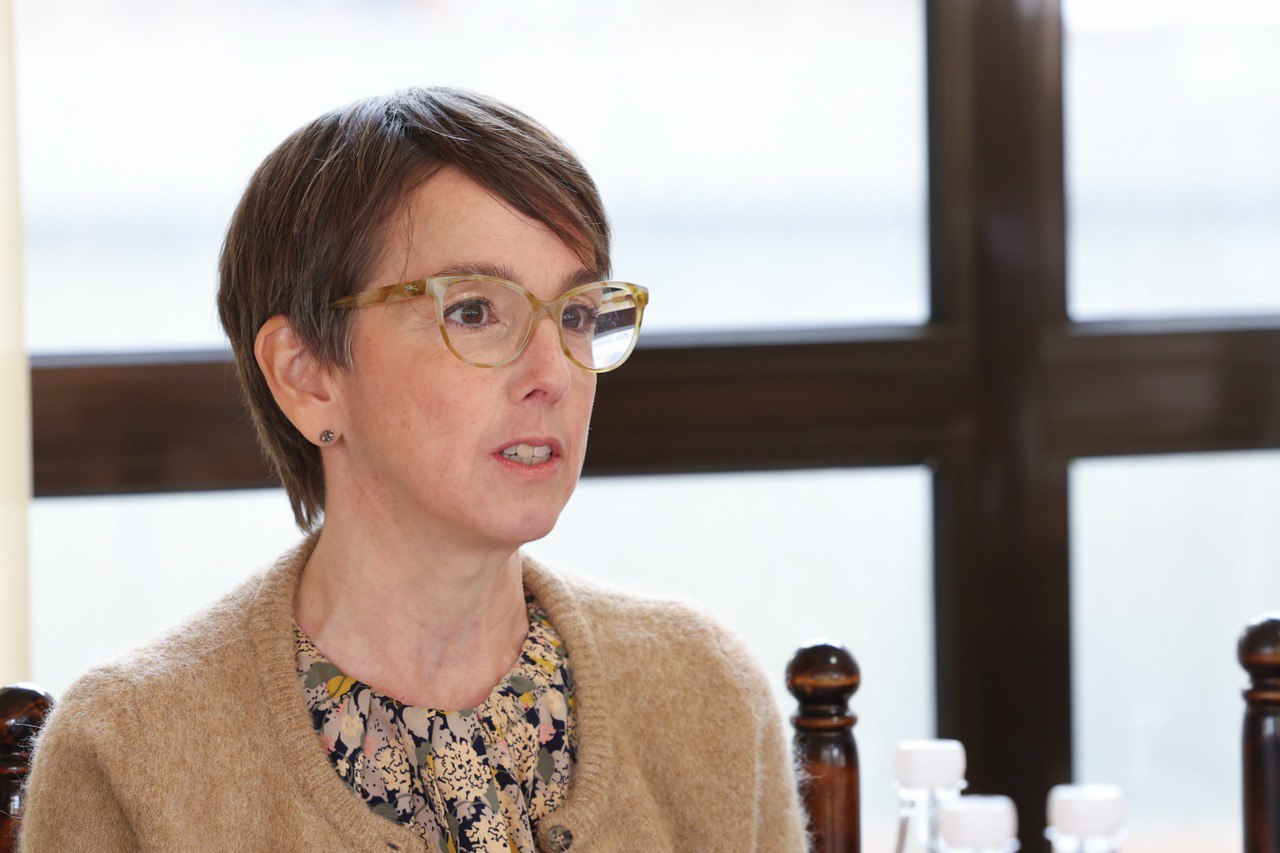
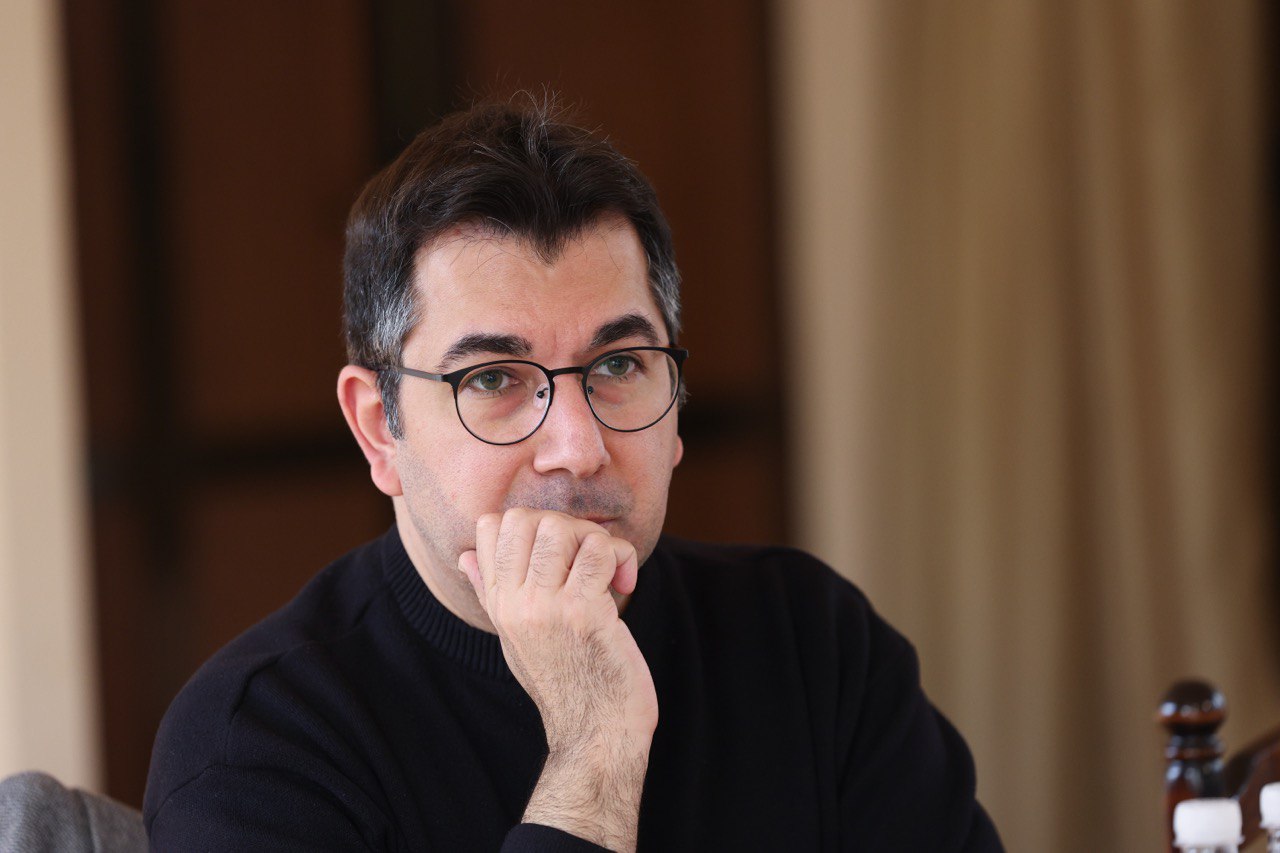
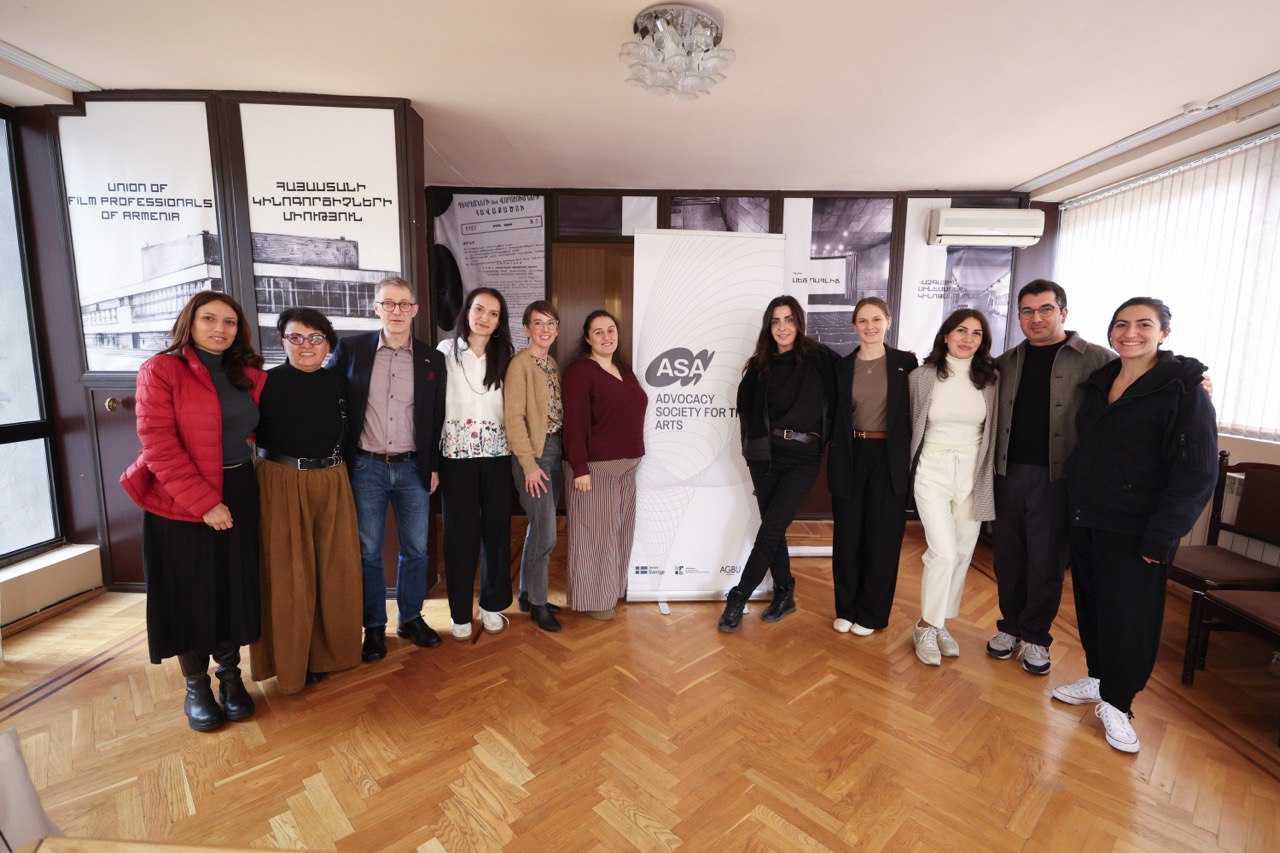
Shortly after ASA Forum 2025, Advocacy Society for the Arts convened its very first General Assembly—a milestone for the organization’s shared governance and long‑term vision. Around the table were the founding members of the Board of Trustees—AGBU Armenia, JHM Foundation, and the ArtNexus programme of the Swedish Arts Grants Committee, joined with ASA’s Advisory Board and core team.
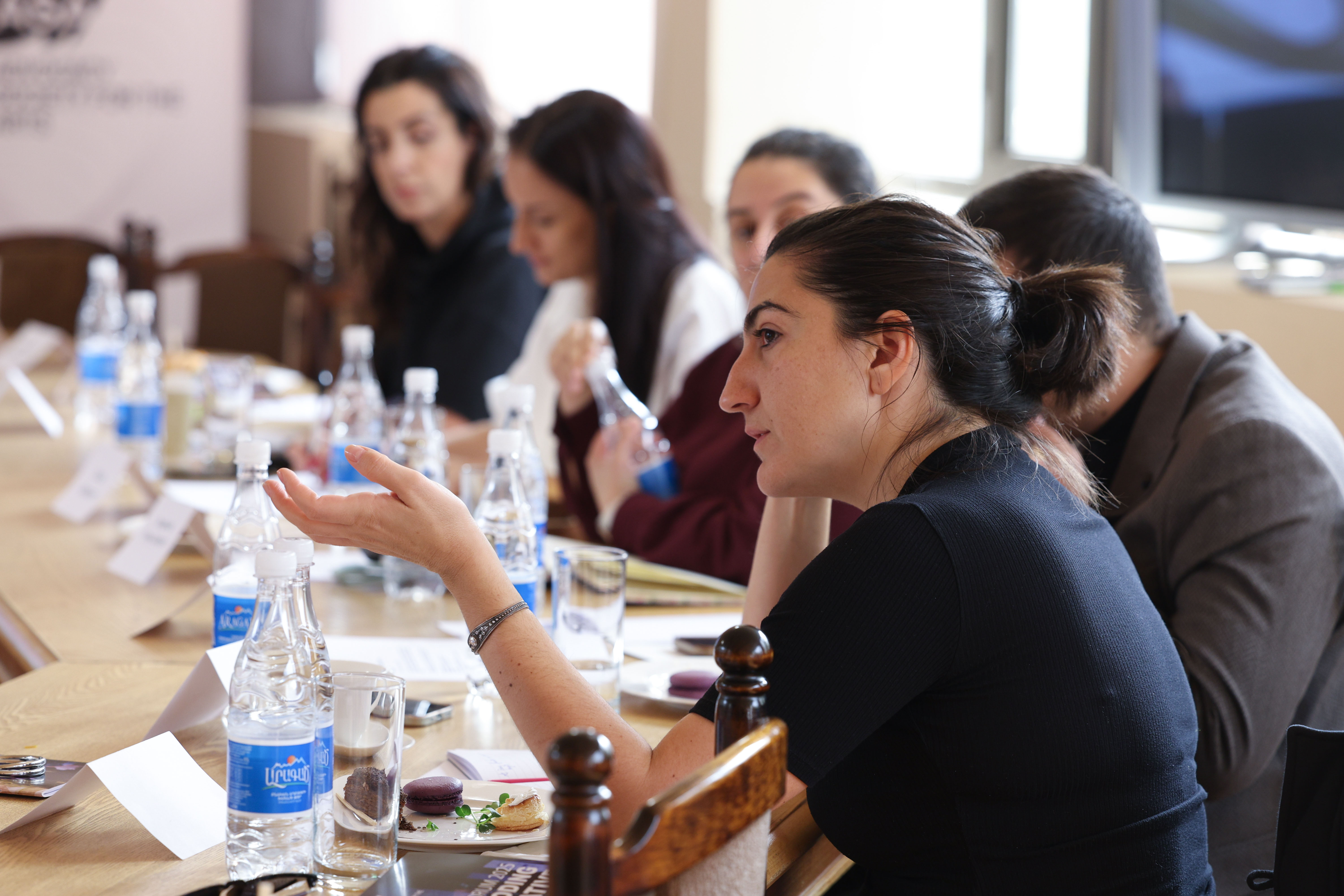
Opening the Assembly, ASA President Seda Grigoryan invited participants to share their impressions of ASA Forum 2025. Trustees and advisors highlighted the panel’s excellence, the density of artistic and policy‑driven conversations, and the valuable connections forged among Armenia’s cultural ecosystem and international partners. The Forum was recognized as both an inspiring event and a concrete demonstration of ASA’s role as a facilitator and convener in the sector.
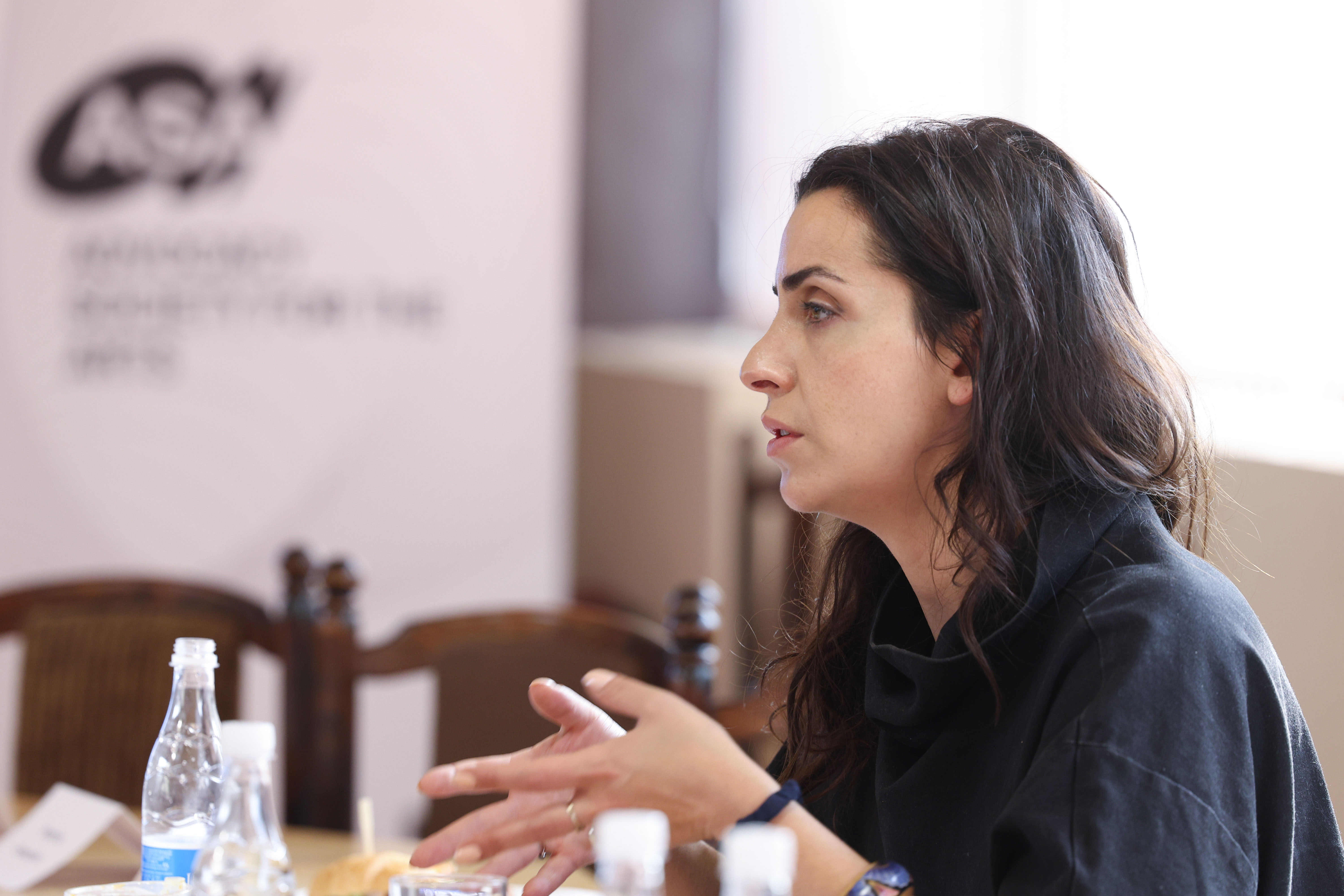
From there, the focus shifted to ASA’s internal architecture. Linn Paravyan, ASA’s Head of Strategic Development, presented the organization’s structure, roles and decision‑making principles, as set out in ASA’s foundational documents—which can also be found on its website. She walked participants through the structure of the relationship between the Board of Trustees, the Advisory Board, and the operational team, also explaining how ASA aims to balance accountability to its donors with responsiveness to the voices of the wider creative community.
ASA’s Programs Manager Shoghakat Mlke‑Galstyan highlighted the fast‑deepening cooperation with the state. She presented a new research programme commissioned by the Ministry of Education, Science, Culture and Sports, which ASA is implementing with its international partners at The Audience Agency (UK) and the British Council. This collaboration marks an important step toward more evidence‑based cultural policy in Armenia. For ASA, forging relationships with the state and policy‑makers is a core pillar of its activity: without constructive dialogue with the government—structural change in the cultural and creative sectors is impossible.
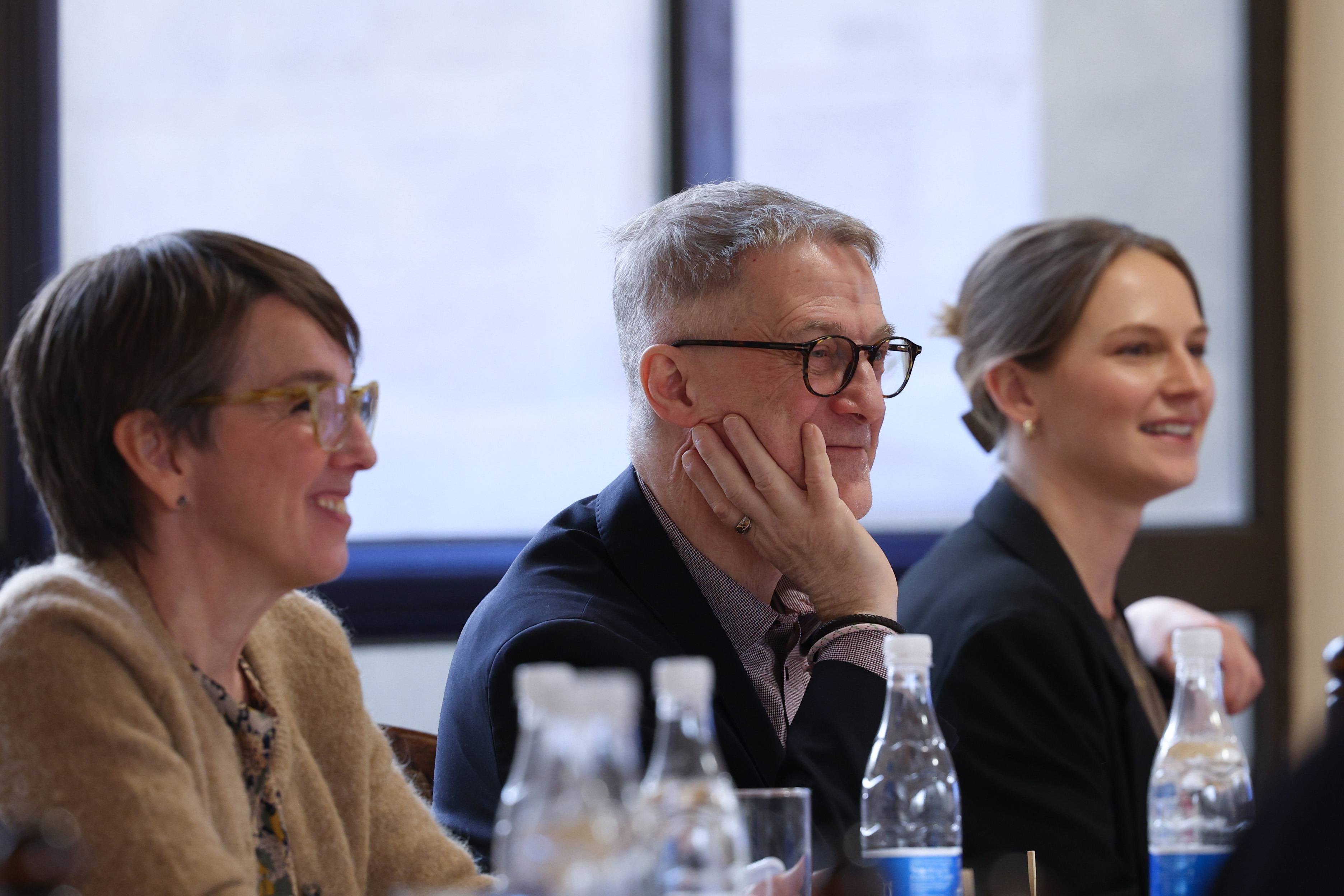
The presentation of ASA activities sparked a lively and constructive exchange. Members of the Board of Trustees and Advisory Board expressed strong interest in getting involved in ASA’s strategic thinking more deeply, offering both encouragement and practical suggestions. The Swedish partners drew on years of experience in cultural networks, artist support schemes, and advocacy structures. The Swedish Arts Grants Committee was represented by Magnus Kirchhof, Head of Department for Analysis and Cooperation, and Julia Bengtsson, Senior Advisor for International Development and Cultural Cooperation, as well as ASA mentor Karin Dulborg, CEO of Nätverkstan Kultur NGO. Their presence underlined that ASA is developing in dialogue with institutions that have gone through a similar journey: from a small initiative to a sector‑shaping platform.
Drawing on examples from Sweden, Kirchhof and Bengtsson spoke about how independent cultural NGOs have gradually grown into umbrella organizations that represent entire segments of the cultural and creative industries. They highlighted the importance of data‑informed advocacy, stable governance and gradual capacity‑building, encouraging ASA to see itself as a “bridge” between artists, policy‑makers and funders. These case studies helped participants to envision ASA’s future in five to ten years, highlighting the internal structures and partnerships required to achieve that vision.
ASA’s mentor Karin Dullbog focused on the human and organizational side of growth: how to nurture a healthy internal culture, how to protect the team from burnout as ambition expands, and how to keep the voices of artists and creative communities at the centre of decision‑making.
Karin’s insights helped frame the General Assembly not only as a governance exercise, but also as an opportunity of collective learning.
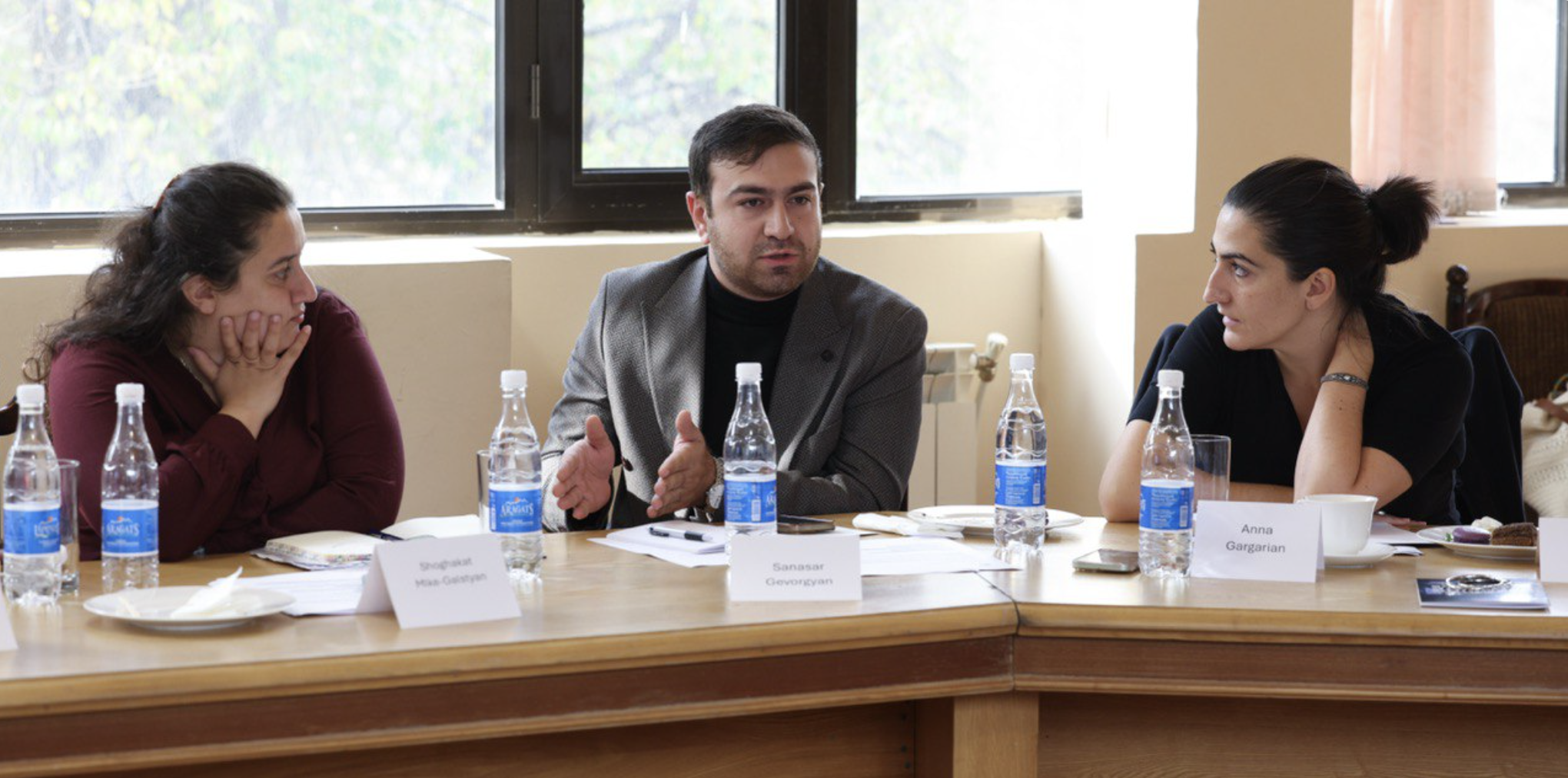
Advisory Board member Sanasar Gevorgyan, who also serves as ASA’s legal expert, shared feedback on governance, legal frameworks and risk management, helping to ensure that future expansion rests on a solid institutional foundation. Another Advisory Board member and ASA export, curator Anna Gargarian, former Head of the Katapult Creative Accelerator Programme, brought in her experience in leading one of Armenia’s most prominent programs in the creative industries. She offered insights on how ASA can structure its programmes, partnerships and community engagement to remain agile while keeping a clear strategic focus.
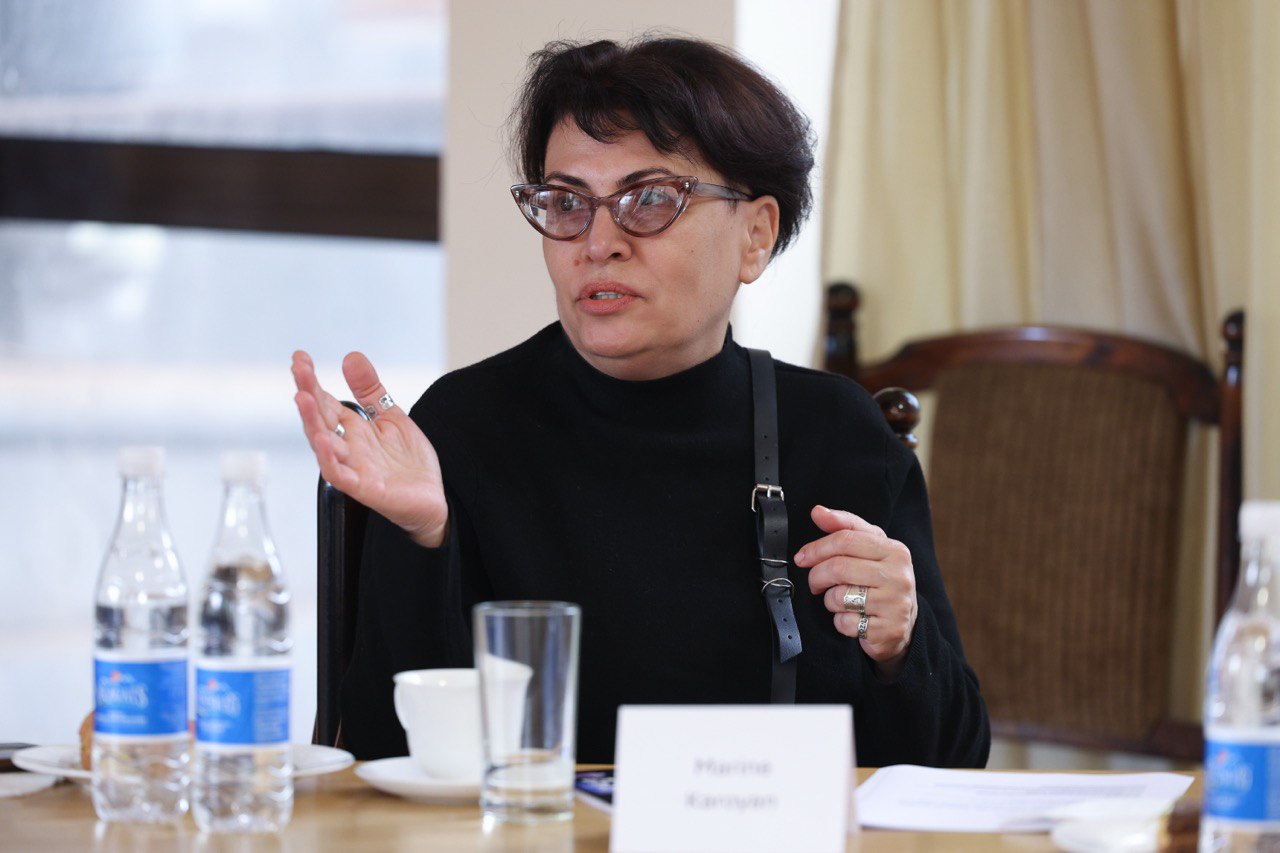
The discussions were further enriched by Advisory Board members Marine Karoyan, who moderated the Forum’s first panel, along with Vahan Badalyan (NCA) and Lilit Grigoryan (ICA), whose insights and active engagement broadened the conversation and deepened the dialogue.
The Assembly closed with a shared sense of momentum. ASA is a young organization, but it is now supported by a committed governance community—trustees, advisors and staff—ready to co‑create its growth. Building on the success of ASA Forum 2025, the General Assembly confirmed that ASA’s future will be shaped not by a single voice, but by the united community/collective efforts of artists, institutions, experts, and supporters.
You can meet our members of the Advisory Board and Expert Network on the ASA website.
|
|
|
|
|
|