ASA Forum 2025: Decoding Creative Industries
November 16, 2025
Hosted at the Armenian National Philharmonic Hall, ASA Forum 2025 brought together policy‑makers, donors, cultural managers and artists to imagine the future of Armenia’s cultural and creative sectors.
Under the headline “Decoding Creative Industries,” this year’s edition focused on one big question: how can research and evidence help build a more sustainable cultural ecosystem?
 |  |  |
A new voice for Armenia’s creative community
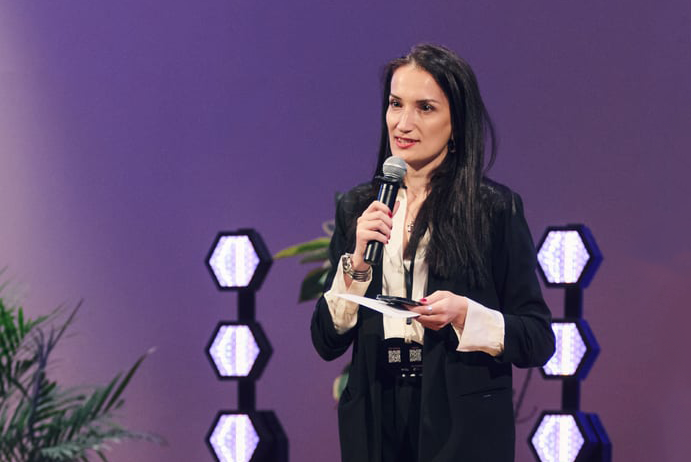
The Forum is organized by ASA - Advocacy Society for the Arts - positions itself as a meeting point for diverse creative voices. In her opening address, ASA President Seda Grigoryan reminded the audience that ASA’s strength lies in its diversity: a small core team working hand in hand with a much wider creative and expert community where “we are all different - and together.” That diversity and “togetherness,” she noted, is where clash of ideas turns into innovation.
Grigoryan highlighted that many of the questions on the Forum’s agenda emerged directly from the community and from three years of research under the “Katapult” programme. That spirit of bottom‑up agenda‑setting defined the day: not culture talked about in the abstract, but culture discussed by those who make it, manage it, fund it and live it.
Culture as identity - and as development
Speaking on behalf of the Ministry of Education, Science, Culture and Sport, Deputy Minister Daniel Danielyan underlined the state’s growing recognition of culture as both identity and engine for change. Armenian art and culture, he stressed, are inseparable from the country’s value system - but they are also becoming a key driver of economic and community development, as well as a space for innovation. Danielyan described ASA Forum as an important strategic platform: a space where discussions on cultural and creative industries can inform long‑term policy directions. He thanked the organizers for bringing together professionals and artists, supporting skills development, and creating a rare environment where cultural policy is openly debated rather than decided behind closed doors. The Deputy Minister expressed hope that the conversations at ASA Forum 2025 would translate into new ideas for strengthening creative industries and concrete partnerships with international peers.
From dream to association: ASA goes public
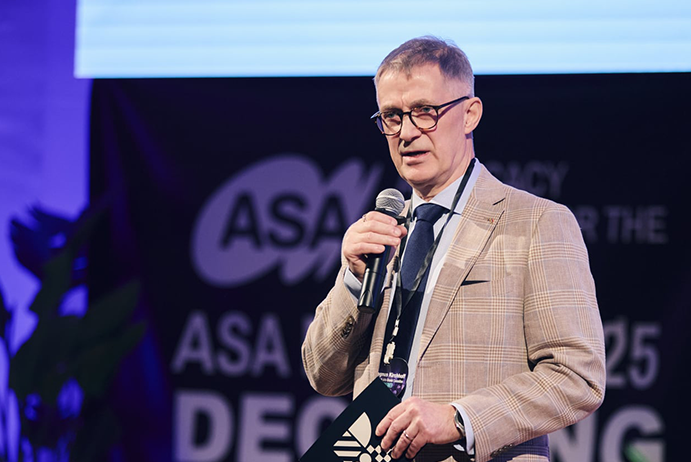
One of the most emotional moments of the opening came from Magnus Kirchhoff, Head of Analysis and Cooperation at the Swedish Arts Grants Committee.
After three years of supporting the Catapult programme in Armenia, he admitted he had been “dreaming of the day” when an association would emerge to represent the creative community and bring different actors together. That dream, he said, has now become reality with ASA’s formation and its first large‑scale Forum. His congratulations to the ASA team underscored that the event is not just a conference, but a milestone in building a more organized, confident cultural community in Armenia.
 |  |  |
Evidence matters: data‑driven cultural policy
Building on last year’s successful debut, ASA Forum 2025 zoomed in on research‑based cultural policy and the foundations of a resilient creative economy. Local and international experts, decision‑makers and practitioners joined panel discussions on:
- Decentralization and digitization of resources and opportunities
- Long‑term strategies for supporting the cultural and creative sectors
- Strengthening artists’ rights and advocacy mechanisms
- Encouraging cross‑sector collaboration between culture and other fields
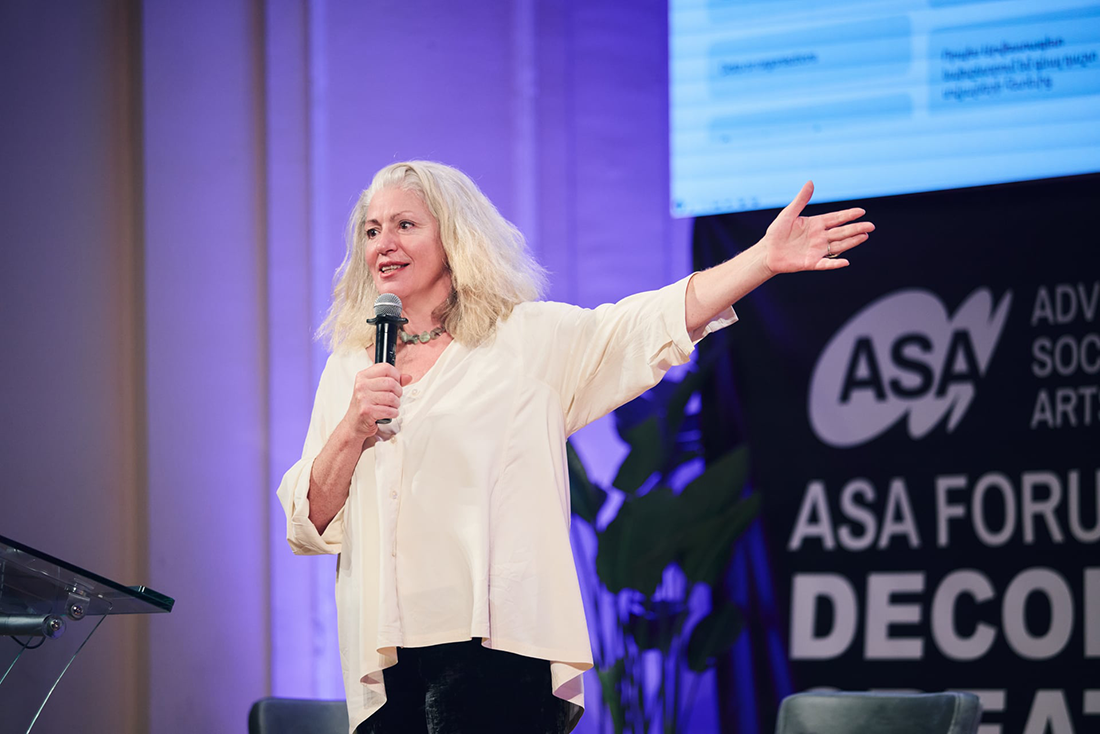
The Forum’s keynote speaker was Anne Torreggiani, founder of The Audience Agency (UK). Her talk, “Measuring Cultural Value: A Data‑Driven Approach for a More Sustainable Future,” explored how solid evidence about audiences and participation can support better decision‑making, fairer funding, and more inclusive cultural offers.
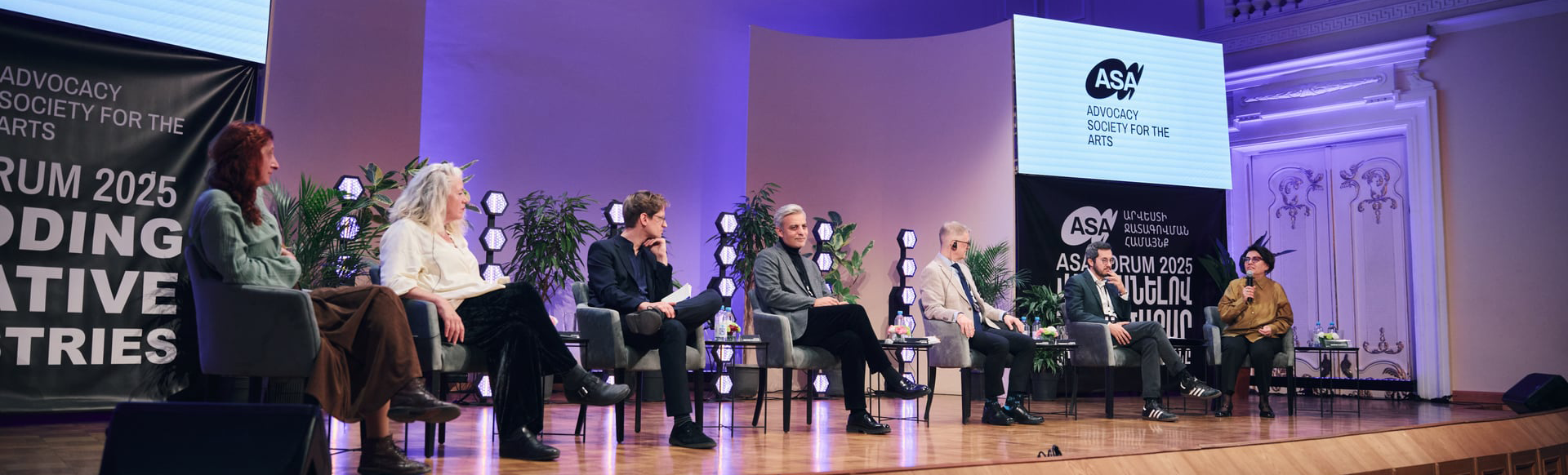
Throughout the day, one theme kept coming back: culture cannot rely on intuition alone. To convince funders, to design better policies, and to include the “quiet voices” alongside the loud ones, the sector needs data - and the skills and institutions to interpret it.
Three Panels, Many Voices
Across three in‑depth panel discussions and more than 30 speakers, ASA Forum 2025 pushed past the usual conference format and turned into an active laboratory of ideas. Local and international experts, decision‑makers and creative practitioners shared both high‑level frameworks and concrete, field‑tested solutions.
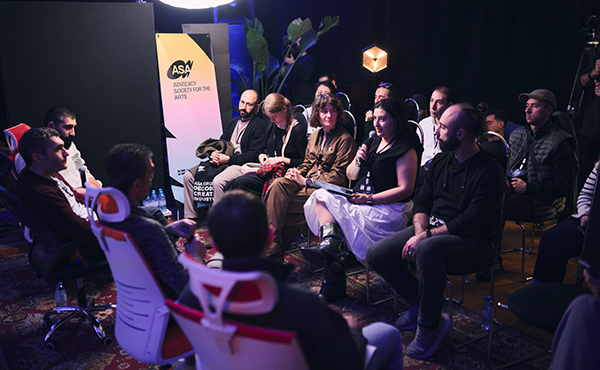
The Forum’s three core panels looked at some of the most pressing questions facing the sector: how to decentralize resources and opportunities beyond Yerevan; how to use digitization to extend reach and visibility; how to better protect artists’ rights and strengthen advocacy; how to foster cross‑sector collaboration; and how to rethink long‑term support strategies for culture and creativity. The result was a rare 360‑degree view of cultural policy, where officials, researchers and artists sat at the same table, challenging one another while also mapping out common ground. Moderated by the Founder of the Are Foundation and Armenian Coordinator for EU4Culture, Dr Marine Karoyan, the first panel discussion entitled Strategic Decentralization of Culture and Cultural Consumption can be viewed here.
The second panel, Shaping the Future: New Models of Support for Culture & Creativity, gathered funders, cultural leaders and creative entrepreneurs to rethink how culture is resourced in a fast‑changing world. Speakers explored innovative funding models, long‑term partnerships and mixed public-private approaches that can help the arts move beyond project‑to‑project survival toward genuine resilience. The discussion highlighted the importance of engaging diverse communities, supporting experimentation and using technology not only as a distribution channel, but as a space for new artistic forms and business models. Together, the panellists sketched out what a more strategic, trust‑based and future‑oriented support system for culture and creativity in Armenia could look like. Moderated by Marina Mkhitaryan, a cultural leader and founder of Kiraki Foundation, the second panel discussion can be viewed here.
The third panel, Re‑Thinking Art Management: Explorative Dialogue Between Institutions & Independents, facilitated by hosq foundation and moderated by cultural manager and ASA Programs Manager Shoghakat Mlke-Galstyan, opened a candid conversation on how art management is evolving in Armenia today. Bringing together leaders of public institutions, independent spaces and educational initiatives, the discussion examined how each responds to new artistic practices, shifting audience expectations and broader social change. As part of hosq’s ongoing research on the future of arts education, the panel stressed the need for shared learning, co‑created programmes and more horizontal collaboration between “center” and “periphery” in the cultural field. Rather than reinforcing old divides, the speakers pointed to practical ways institutions and independents can jointly build more sustainable structures for artistic work, knowledge transfer and community engagement.
Showcasing networks, tools and new formats
Beyond talks and panels, ASA Forum 2025 doubled as a marketplace of ideas, tools and collaborations:
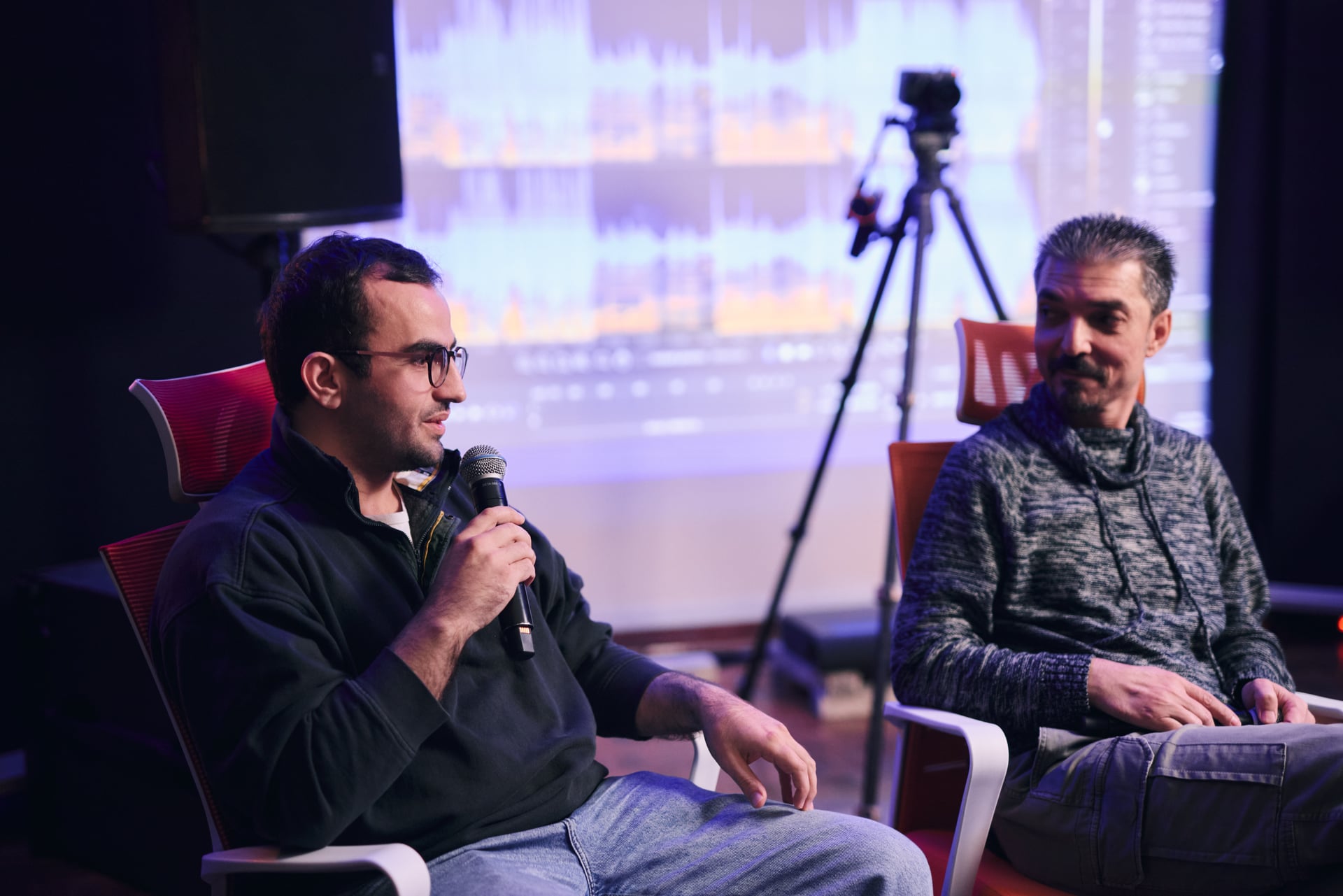
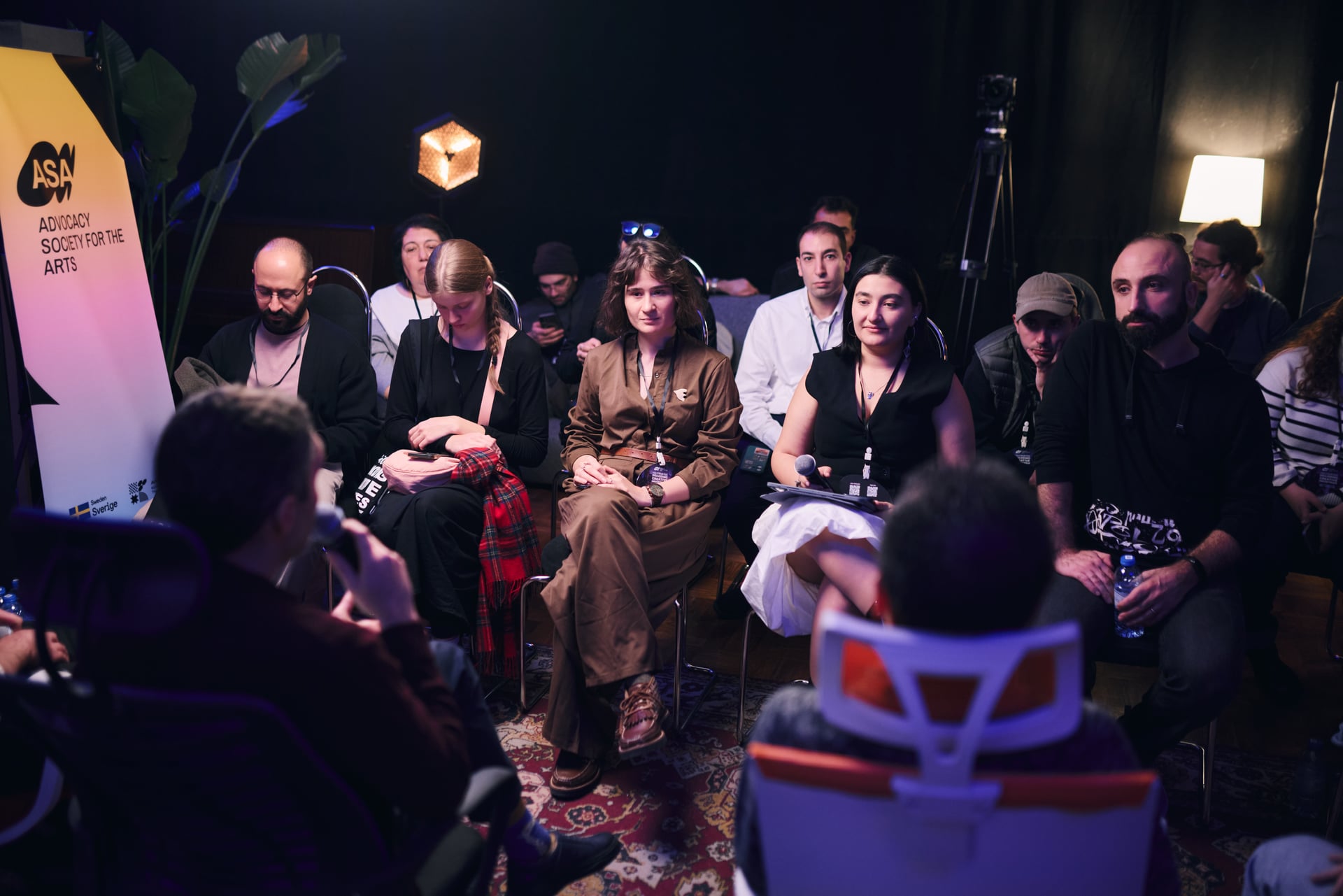
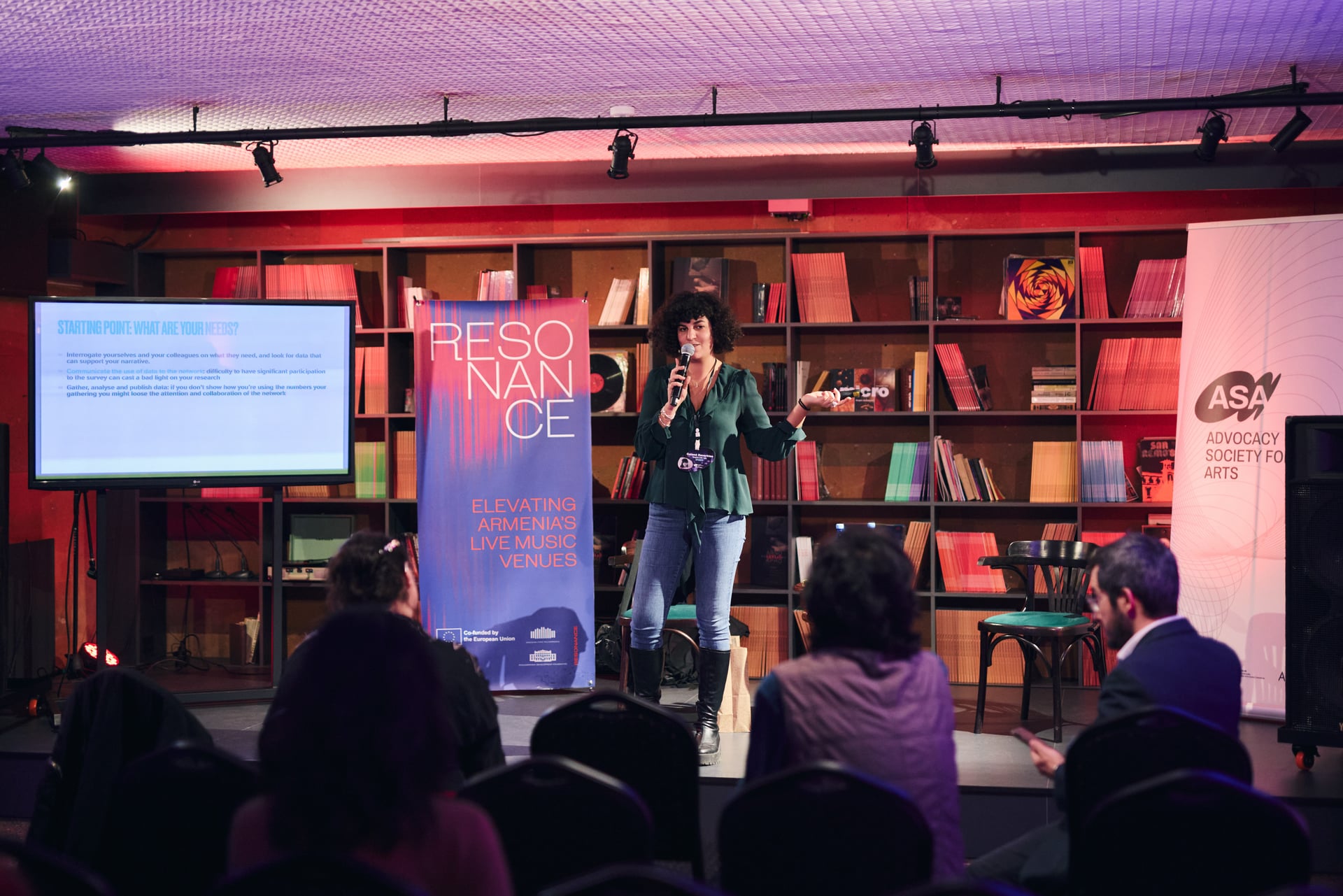
- KeepOn Live, a European platform for live music venues, presented its experience in venue management and data‑driven advocacy, in partnership with the Resonance initiative. Their contribution offered practical tools to help Armenian professionals strengthen the country’s live music ecosystem.
- In collaboration with hosq Foundation, the Forum introduced SoundCrit, an open professional feedback format for music. Designed as a joint lab for producers, musicians and songwriters, SoundCrit encourages constructive critique and nurtures a culture of collaboration rather than competition.
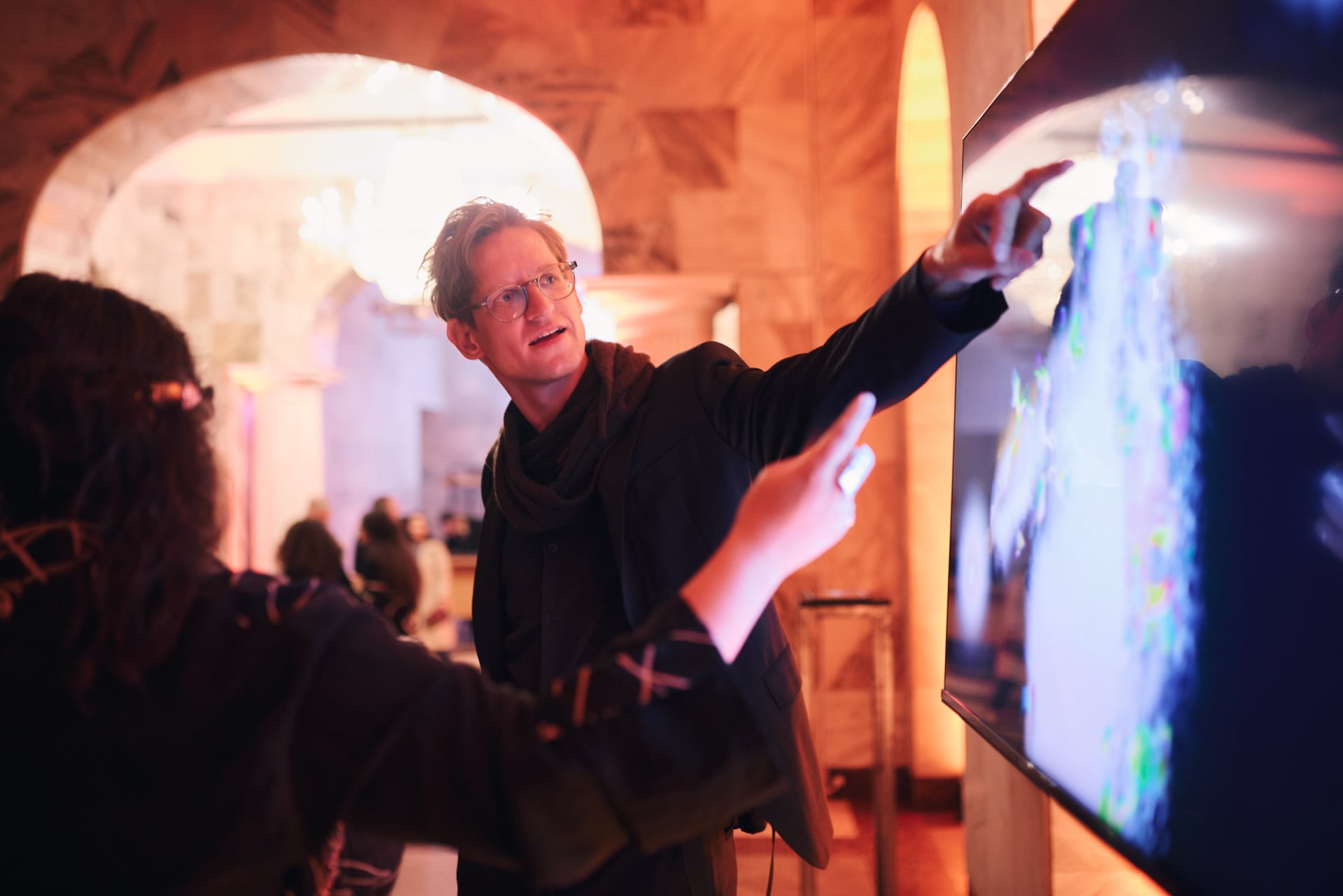
Throughout the Forum, panel discussions were accompanied by exhibitions of work by local artists, turning the venue itself into a living gallery and giving concrete visibility to the creative talent the Forum set out to support.
 |  |  |
Celebrating partnerships and “Business to Arts”
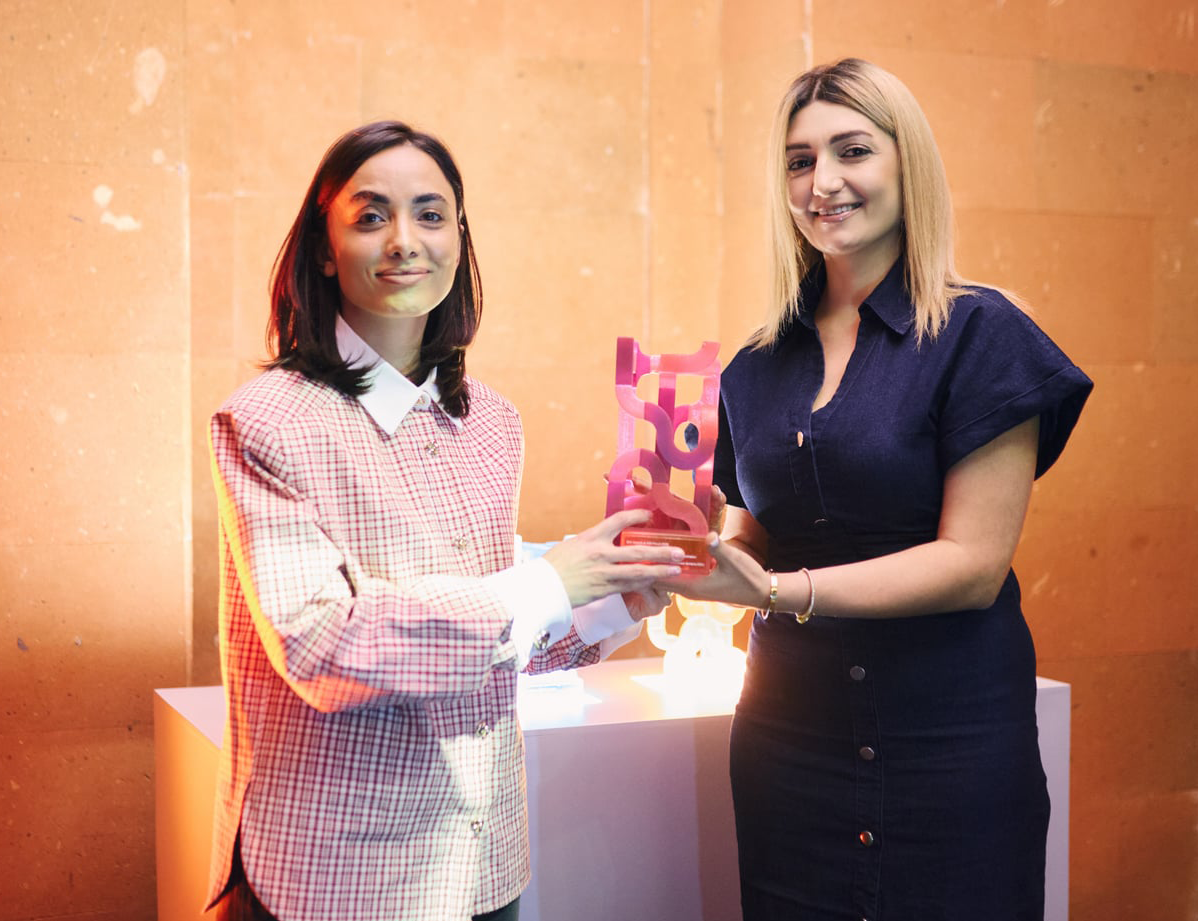
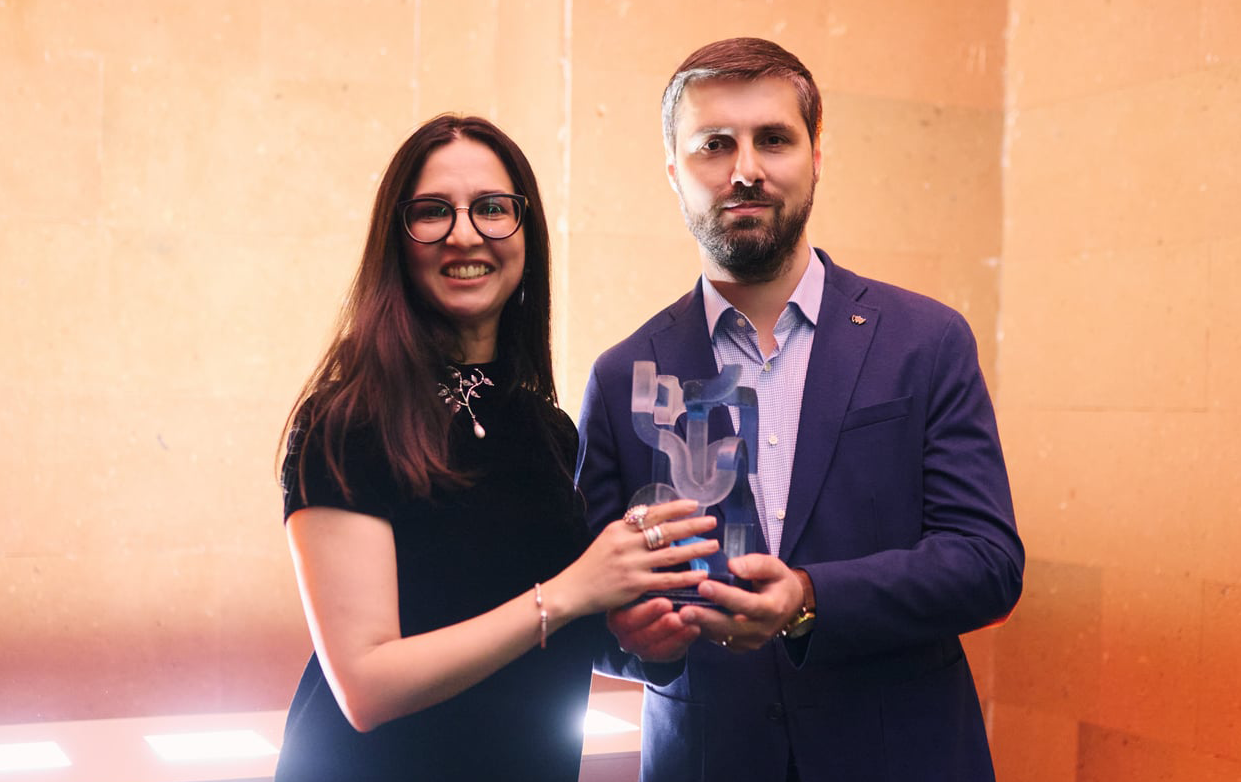
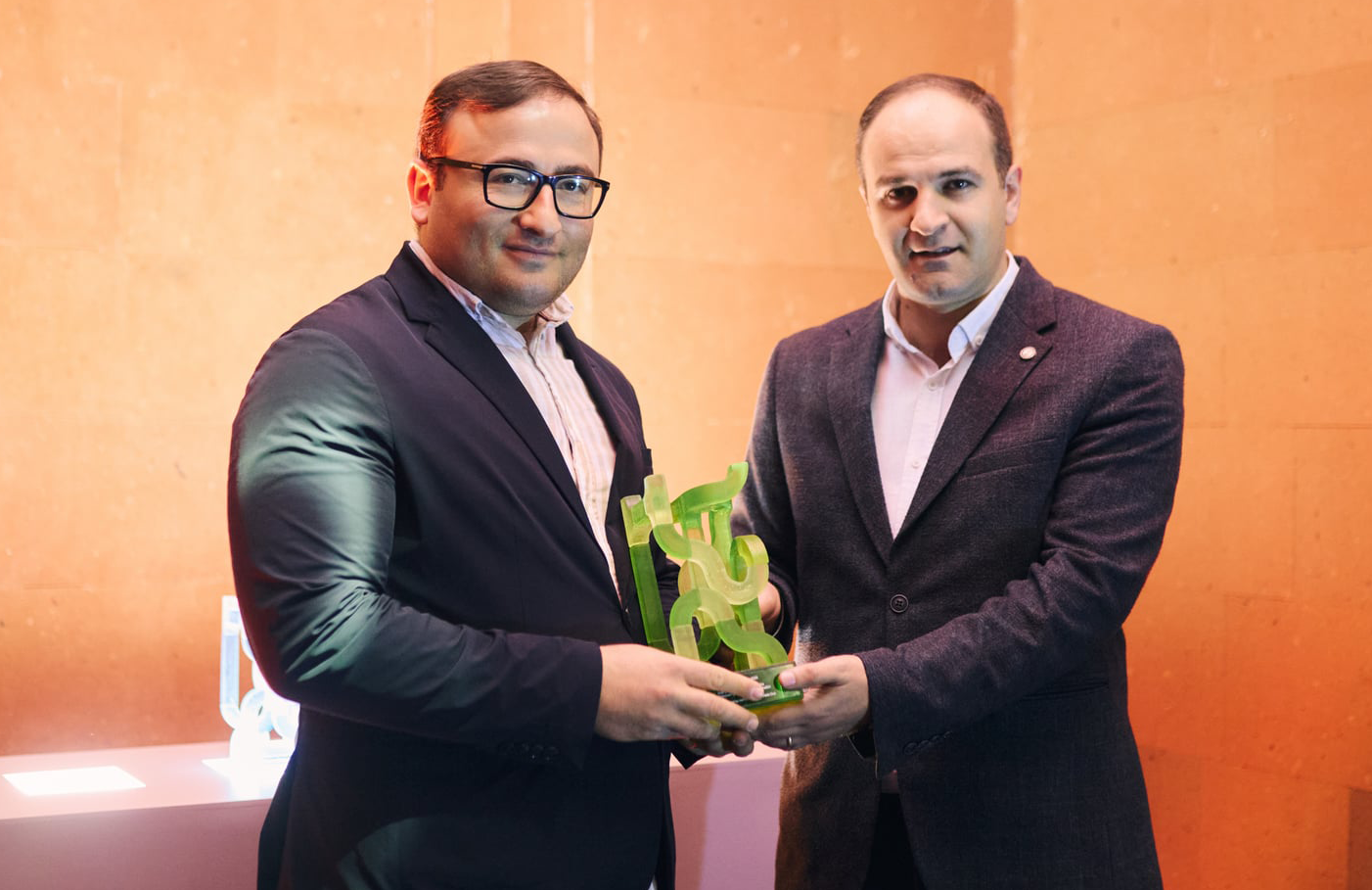
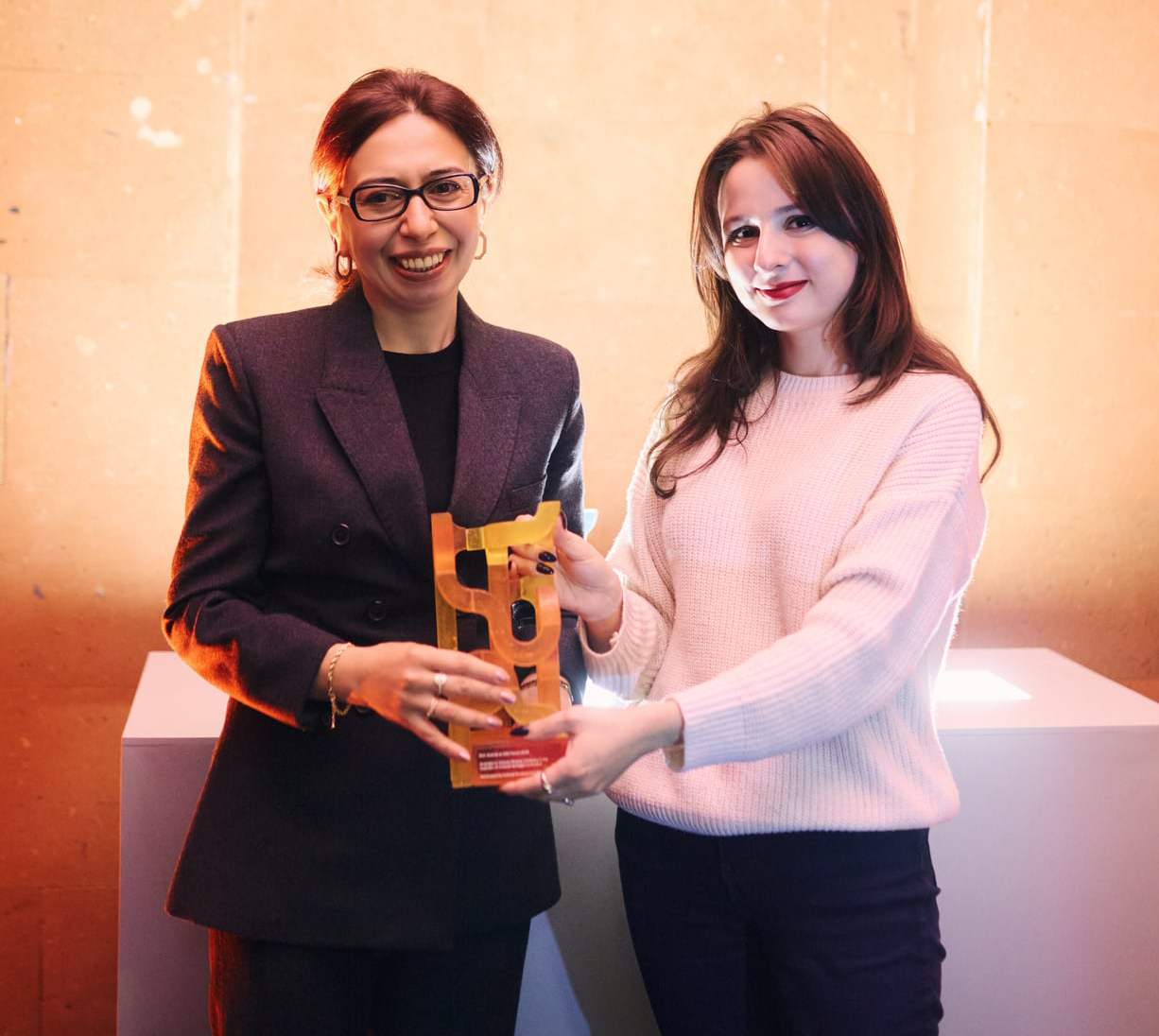
The day closed on a celebratory note with the B2A - “Business to Arts” awards, recognizing initiatives and collaborations where the corporate sector steps up in support of the arts. This closing moment reinforced one of ASA Forum’s key messages: sustainable cultural development needs not only public funding and international grants, but also committed partners from business and civil society.
The “Culture-Business Harmonious Cooperation” award went to Maison Marom, recognized for weaving culture into the very core of its operations rather than treating it as an add‑on. Their model showed how business and culture can co‑create new value and content, setting a benchmark for long‑term, mutually beneficial collaboration. The company was nominated in this category by the European Business Association Armenia.
The “Empowering the Voice of Art” award was presented to Altech Group for its sustained contribution to Armenia’s cultural life. By consistently financing a range of artistic projects, Altech Group has emerged as one of the most dedicated private supporters of the arts, helping important initiatives move from idea to reality. The nomination in this category came from the Mantashyants Business Club.
As “Guardian of Cultural Heritage,” the jury honored the Yerevan Brandy Company
/ ARARAT Brandy. The company’s long‑term commitment to heritage preservation projects, and its careful support for initiatives that keep traditions alive, underline how private actors can play a real role in safeguarding cultural memory for future generations. The nomination was submitted by the Cultural Development Foundation.
Finally, the “Integrating Art into Non‑Creative Environments” award went to Background Production, a company that demonstrates that art does not have to stay within gallery walls. By bringing artworks and artistic experiences into corporate offices, public venues and workspaces, Background Production helps create more inspiring everyday environments and new meeting points between art and audiences. The company was nominated in this category by AmCham Armenia.
The award ceremony was hosted by the founder and president of the Yerevan Perspectives International Music Festival and HAYA Festival, arts manager and cultural diplomat Sona Hovhannisyan.
 |  |  |  |
The evening concluded with an improvisational music performance by Arman Peshtmaljyan, Shahen Khandkaryan, Karen Mamikonyan and Arman Mnatsakanyan, accompanied by a reception hosted by Van Ardi wines.
ASA’s work is made possible through the Swedish Arts Grants Committee-funded ArtNexus programme, with the support from co-founding members AGBU Armenia and the JHM Foundation. ASA Forum 2025 itself was organized in partnership with the State philharmonia of Armenia, the Resonance programme and hosq foundation.